Top 5 lawn care tips to check out
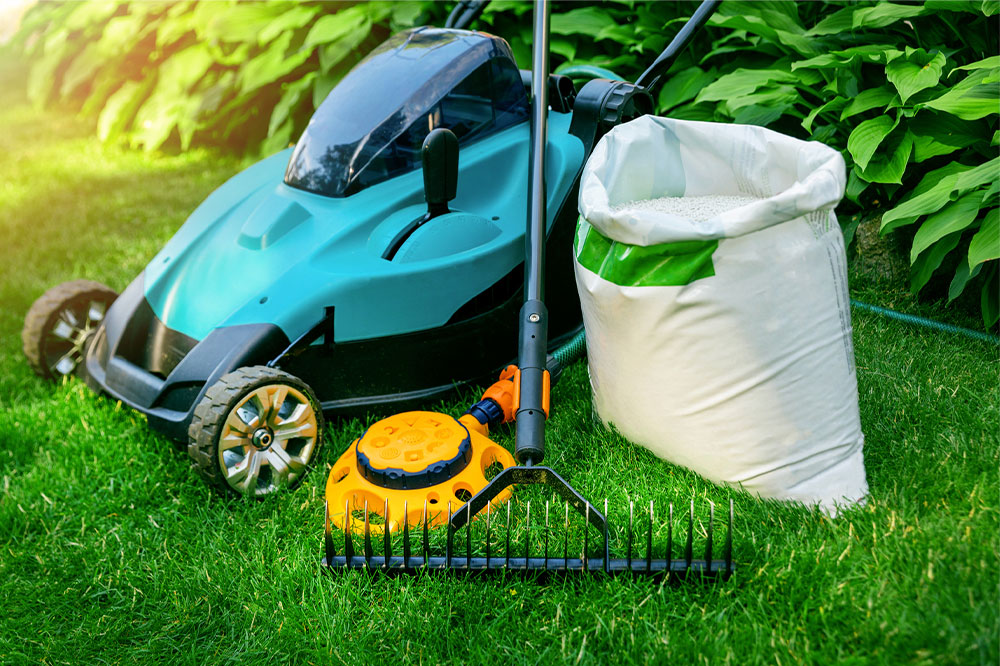
Whether you are a beginner or an experienced gardener, maintaining a lush, green lawn requires a great deal of effort. Usually, you might have to divide the process into daily and weekly tasks. For instance, you might have to water your lawn daily and weed the grass weekly. On that note, here are a few more lawn care tips that will help you nurture your lawn and keep it healthy and evergreen.
Lawn care tips
Here are a few tips to keep in mind when you’re tending to your lawn:
- Mow the grass
Mowing is essential to achieving a flourishing lawn. Here are a few tips that can help you achieve that: as a standard rule, don’t cut more than 1/3 of the grass blade length, as longer grass blades can grow deeper root systems. Additionally, mix up your mowing patterns. You might also have to mow your lawn regularly during certain seasons, for example, spring, as grass tends to grow at a faster rate when compared to summer, when growth is stunted. - Know how and when to water
Depending on where you live, you can invest in an irrigation system or let the rain do the job of watering your lawn. Most lawns require between 1 and 1.5 inches of water per week, not less or more. This is because overwatering can cause shallow roots and fungal diseases. On the other hand, underwatering your lawn can make it look dull and lifeless. Additionally, check the dampness of the soil and water your lawn early in the morning. - Weed the lawn
While weeding the lawn may be one of the most obvious lawn care tips, you cannot ignore its importance. Generally, weeds prevent grass from absorbing adequate nutrients, water, and sunlight. Moreover, they are an eyesore and make your lawn appear less esthetically pleasing. Hence, use herbicides and hand scarifiers to rid your lawn of weeds. These prevent weed regrowth and guarantee a lush, green lawn. - Use fertilizers
Fertilizers can help keep the grass green and healthy. Besides that, they also reduce the stress caused to the grass while mowing. So, nurture your lawn regularly with a mineral-based, slow-release fertilizer after mowing. Usually, these products contain phosphorus, nitrogen, and potassium that promote grass growth. That said, before using the product, read the instructions on the packaging and adjust the dosage according to your lawn’s growth rate and health. After you’re done fertilizing the lawn, water it. This helps the fertilizer dissolve, thereby maximizing its effectiveness. - Use natural pest control methods
Pests are pesky, and like weeds, they can potentially damage your lawn. While pesticides can help you get rid of them, the harsh chemicals in them can harm other beneficial insects like bees and butterflies. So, consider using natural products and methods like companion planting to achieve a healthy lawn.
While lawns require regular care and attention, tasks like trimming trees and overgrown shrubs demand specialized tools like gas chainsaws. These chainsaws are lightweight and easy to carry. Their oil-feeding system extends their life and enhances their effectiveness. Using such quality equipment ensures one’s outdoor space remains well-maintained and thriving with minimum and precise efforts.