Top 5 healthy foods to eat to boost fertility
Fertility issues are common these days, affecting nearly 15% of couples. While conceiving and becoming parents can be physically and emotionally demanding, especially for first-time parents, one can opt for various treatment alternatives to ease the process. Moreover, changes in lifestyle and nutritional habits can help improve fertility. However, remember that severe complications like a blocked fallopian tube necessitate immediate intervention by a health expert. Read on to learn about healthy foods that improve fertility.
Top 5 foods that can improve fertility
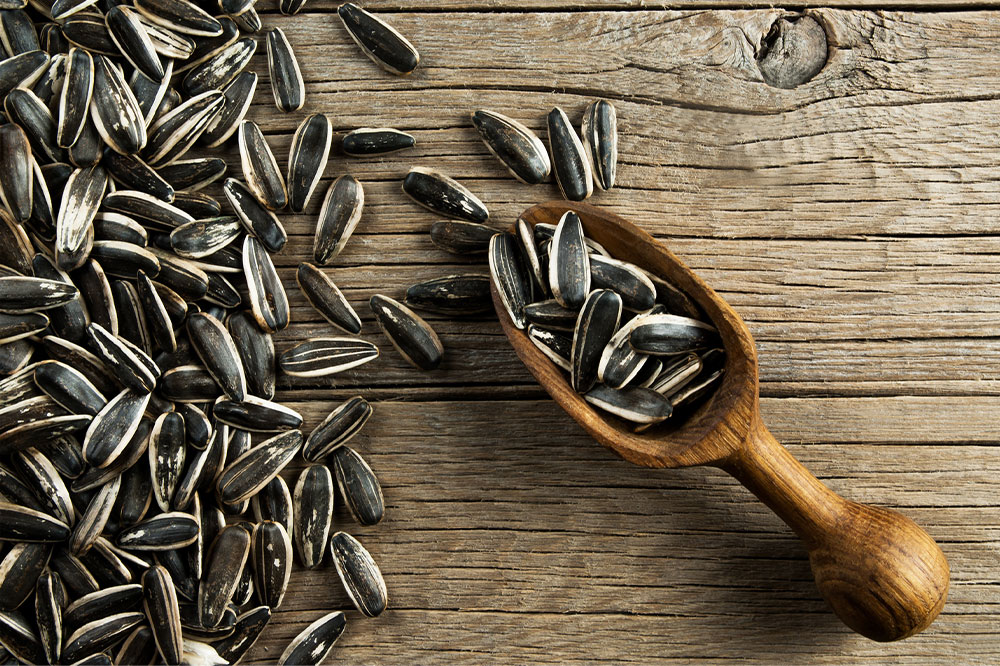
Sunflower seeds
This food item is a rich source of vitamin E – a nutrient that has been found to boost sperm count and motility in a few patients. The seeds are also high in selenium and folate, which are crucial for fertility in both genders – male and female. In addition to the above, sunflower seeds contain generous amounts of omega-3 fatty acids that can regulate hormones and improve blood flow to the uterus.
Avocados
Fruits such as avocados can also prove immensely helpful in increasing the folate count in the body. Moreover, it has been found that this fruit is also rich in potassium and vitamin K, which can regulate blood pressure and hormonal levels. But while eating the fruit, one must remember that it contains high amounts of calories – approximately 150kcal for half an avocado. Therefore, it is advised to eat one avocado daily.
Tomatoes
Tomatoes are vegetables that contain high amounts of a nutrient called lycopene. This nutrient is a powerful antioxidant and can effectively aid in augmenting fertility, especially in males. Multiple studies have concluded that supplementation of lycopene daily for 8 to 12 months can improve semen health and pregnancy rates.
Although raw and cooked tomatoes contain lycopene, a single cup of cooked tomatoes can provide double the amount of nutrients. So, before eating tomatoes, cook them thoroughly to reap maximum benefits.
Salmon
One of the best protein sources, individuals looking to improve fertility rates can opt for wild salmon as an alternative to other meat and poultry products. This fatty fish can increase levels of omega-3 fatty acids and DHA ( Docosahexaenoic acid) – which is vital for the development of the brain and eyes in fetuses. However, one must remember that salmon may have trace amounts of mercury. Therefore, experts suggest its intake must be limited to 12 ounces per week to keep any further health complications at bay.
Oysters
A food item often found on the list of fertility-boosting meals, oysters contain nutrients such as zinc which is good for sperm count and testosterone production. Additionally, oysters are a good source of vitamin B12, iron, and selenium, which can benefit both men and women.
Besides eating healthy foods, one must note that a healthy body and reproductive system are imperative for fertility. So, in addition to eating the fertility-boosting foods mentioned above, one should also make positive lifestyle changes and eat nutrient-rich foods to improve the chances of conception.