Top 5 foods and beverages that are bad for the teeth
A person’s teeth and smile play a huge role in creating a good first impression. Moreover, the teeth are critical for good digestion and overall hygiene. This is why eating the right foods is imperative to keep one’s teeth strong. The teeth are incredibly sensitive to certain foods. Some foods and beverages can cause significant damage to one’s teeth over a period of time. Here are some foods that can damage teeth:
- Oranges
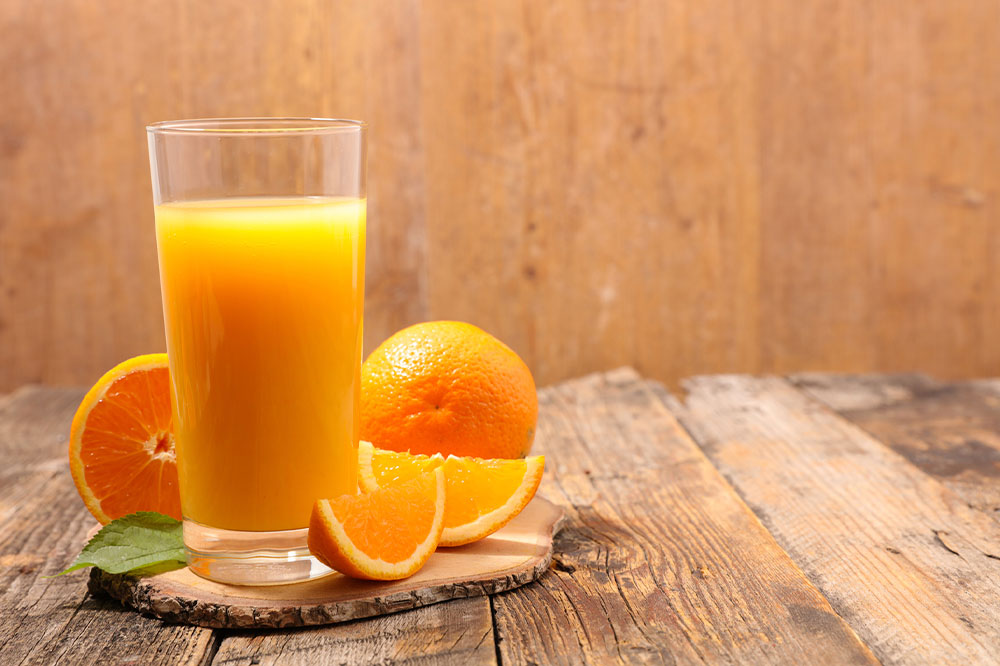
Citrus fruits are rich in vitamin C, which is great for reducing inflammation in the body. However, citrus-rich foods like lemons and oranges contain a lot of acid, which can cause erosion of the outer layer of a person’s teeth. When the enamel erodes from the teeth, they are exposed to infections, bacterial presence, and decay. Therefore, while it is okay to eat citrus-heavy fruits occasionally, one must eat them in moderation to keep their teeth’s enamel intact. - Soft drinks
Soft drinks increase blood sugar and tend to make the bones weaker if they are consumed frequently over a while. Among all these, it is unsurprising that soft drinks are just as bad for one’s teeth as they are for all the other organs and bodily systems. Soft drinks like aerated juices and carbonated sodas contain acidic content that debilitates the enamel layers on one’s teeth. For this reason, healthcare professionals and dental experts advise people to keep away from soft drinks altogether.One must especially refrain from having soft drinks immediately after brushing their teeth, as that makes their teeth abrasive and prone to decay and infection.
-
Candy
Sugar-heavy foods like candies, pies, and cookies seriously undermine the strength and functionality of one’s teeth if consumed frequently. These foods facilitate a buildup of bacteria in consumers’ mouths. As a result, people who consume too many sweets, such as candies, are inadvertently speeding up the process of tooth decay and developing gum disease. Additionally, foods like candy stay in the mouth for a while, making it impossible for a person’s saliva to cleanse the bacterial content immediately.For this reason, dental professionals advise people to either give up on candies and lollipops altogether or at least brush and floss their teeth after consuming such foods.
-
Coffee
Caffeine in beverages such as tea and coffee is incredibly bad for teeth and bones. This food element has been known to cause calcium depletion in bones and teeth. Therefore, when one consumes too much coffee or tea in a day, they are simply speeding up the weakening of their teeth and bones. People who excessively drink coffee may experience health issues such as osteoporosis and a gradual softening and weathering of their teeth with time. -
Pickles
Like citrus fruits, pickles also contain liberal doses of acidic content that can seriously damage one’s teeth. Pickles are useful side dishes but should be consumed in moderation due to their incredibly high acidic content.