Top 10 superfoods for boosting immunity in babies
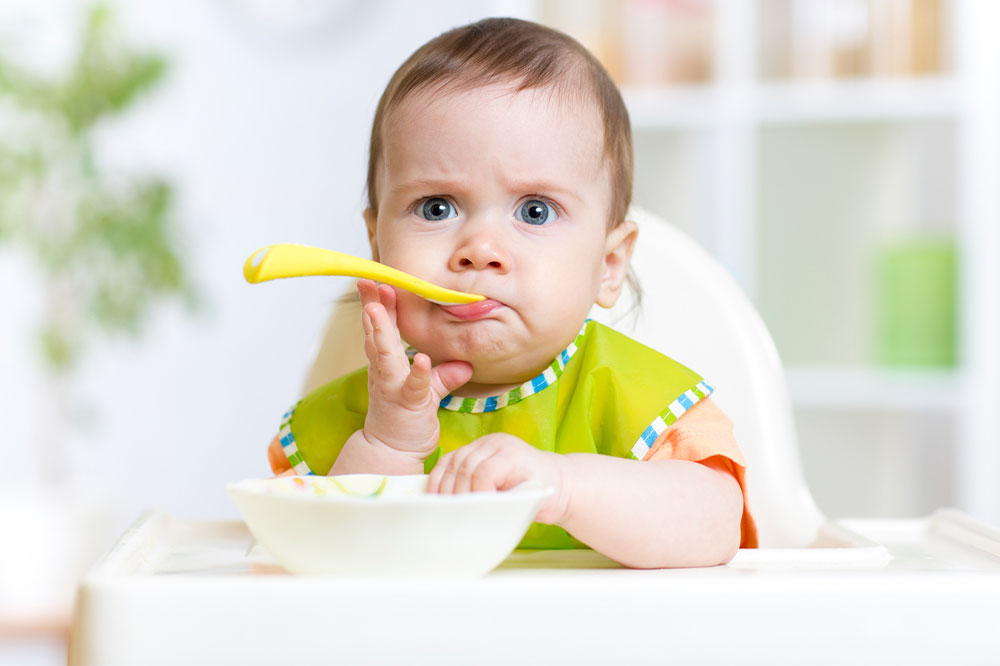
Babies need healthy and nutritious food to boost their growth and strengthen their immunity. Given their tiny stomachs, they must be fed nourishing foods that are packed with vitamins, minerals, and antioxidants. For maximum benefits and minimum calories, superfoods are a fantastic option for babies. Such nutrient-packed sustenance is exceptionally beneficial in developing their immune systems. These 10 superfoods are ideal additions to a baby’s nutrition plan for optimal health:
Bananas
Bananas are packed with carbohydrates that provide sustained energy to babies. Opt for mashed ripe bananas for younger children, while older children can be served chopped bananas as finger food.
Butternut squash
Butternut squash contains healthy doses of beta-carotene, vitamin C, potassium, fiber, folate, B vitamins, and omega-3 fatty acids. Boiled and pureed, they make for an excellent superfood for babies transitioning to solids.
Sweet potatoes
This naturally sweet superfood can be cooked and mashed and are a great transition food for babies. Sweet potatoes are full of vitamin C, potassium, and beta-carotene.
Eggs
Egg whites are a source of protein, while the yolks are a source of zinc, and vitamins A, D, E, and B12. Eggs also contain a nutrient called choline, playing a critical part in brain development. Consult a pediatrician and check family history for allergies before feeding the baby egg whites.
Carrots
Carrots contain high beta-carotene levels that convert to Vitamin A, which is vital for growth and healthy vision. Cooked and pureed carrots are attractive to many babies due to their inherent sweetness.
Fatty
The rich omega-3 fatty acid content in salmon is crucial for brain development, eye health, and a better immune system. Fish are also a rich source of protein which aids growth in children.
Peas
Peas are a good source of vitamins K, A, B, and C, alongside folic acid and fiber.
Broccoli
Broccoli contains a high amount of vitamin C, beta-carotene, folic acid, iron, potassium, and fiber, making it one of the best superfoods for babies. However, boiling broccoli can cut its vitamin C content in half, so opt for steaming or microwaving it. Mix it with butternut squash, carrots, or sweet potatoes to make it more appealing for babies.
Raspberries
Of all the superfoods, raspberries are the sweetest, contain the least calories, and contain ellagic acid, which can help protect against cancer.
Brown rice
Brown rice is a rich energy source as it contains carbohydrates, protein, B vitamins, and minerals. The starch in rice is absorbed slowly in the body, providing a steady release of glucose for bodily functions.
While most of the items on this list are appropriate for children six months and older, consult with a pediatrician before introducing solid foods and making any changes to a baby’s food habits.
For some babies up to three years of age, doctors may also recommend supplementing daily nutrition with a formula to build immunity. Holle Organic Baby Formula is a popular choice enriched with DHA and offers various options depending on the infant’s nutritional needs. Parents can shop for this baby formula online via the Holle website.