Must-have foods for healthy and glowing skin
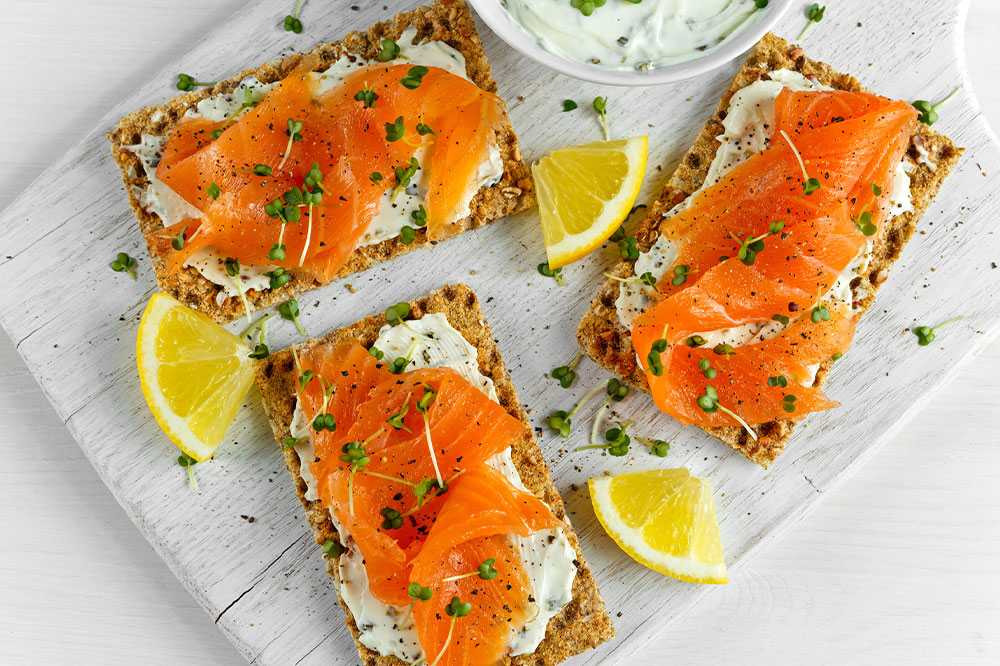
There are plenty of face creams and products to make your skin healthy and glowing. But beautiful and healthy skin comes with the right nourishment. The human body is constantly shedding old cells and replacing them with new ones. To support this process, a supply of essential minerals is important. This comes with eating the right kind of food. Here’s a list of five foods that will keep your skin healthy and glowing.
Bananas
Bananas are a great food source to get healthy, glowing, and oil-free skin. They are rich in potassium and vitamins E and C, which are known to give glowing skin. These compounds are powerful exfoliators and help remove excess sebum from the surface of your skin. Bananas also help treat acne. Apply the inside of the peel onto the acne to destroy harmful bacteria and reduce inflammation.
Fish
Fish like salmon, mackerel, and herring are rich in omega-3 fatty acids that help keep the skin blemish-free and supple. They help fight inflammation and reduce dryness, redness, and acne. Sardines, on the other hand, are excellent sources of vitamin B12 that play a major role in skin cell reproduction.
Avocados
Avocados are full of healthy fats and vitamin E. The latter regulates inflammation, rejuvenates skin, and improves the production of new skin cells. Avocados prevent the skin from oxidative damage caused by harmful rays of the sun and a harsh environment.
Sweet potatoes
Sweet potatoes contain vitamin A, which is known to reduce the production of sebum and acne. This vegetable also contains beta carotene, a natural skin block. Carotene protects the skin from sunburns and cell death and adds a warm orange color, enhancing the skin’s glow.
Broccoli
Broccoli contains a carotenoid called lutein that works just like beta carotene. It prevents oxidative damage, keeping the skin healthy and wrinkle-free. Broccoli florets are packed with sulforaphane, a special compound known to have anti-skin cancer properties.
Bell peppers
This veggie is packed with vitamin C that helps lighten dark spots caused by overproduction of pigmentation. It also enhances the production of collagen, a structural protein that is necessary to keep the skin firm and strong.
Atopic dermatitis problems and medication
Sometimes, skin conditions like atopic dermatitis or eczema can be caused by immune system disorder, genetics, stress, or environmental triggers. This condition makes the skin dry, red, itchy, and sensitive to infection as it destroys the barrier function. CIBINQO is prescribed for atopic dermatitis in adults who do not respond to other therapies. This antibiotic is an oral Janus Kinase (JAK) inhibitor and contains abrocitinib, an active ingredient. It is suggested not to take CIBINQO with other antibiotics that prevent blood clots for the first three months. However, low-dose aspirin is allowed during the course if the doctor prescribes it.
Characterized by itchy bumps or nodules, prurigo nodularis (PN) is a closely associated chronic skin condition. It is best to have a wholesome meal plan rich in lean protein, fruits, vegetables, and healthy fats and avoid inflammation-causing foods to manage PN symptoms.
SkinCeuticals Hydrating B5 Gel
You can also try the Hydrating B5 Gel from SkinCeuticals. The gel bestows the skin with essential nutrients and makes it smoother. The vitamin B5 with hyaluronic acid formula is ideal for all skin types and provides sufficient hydration without clogging pores.
Those undergoing treatment for refractory, moderate-to-severe eczema (atopic dermatitis), such as Cibinqo (abrocitinib) can also opt for a Copay Savings Card that can help cover up to $15,000 per year in treatment costs. The card is offered for use along with commercial insurance to make therapies more accessible to users. For more information regarding Cibinqo, please refer to the United States Prescribing Information (USPI).