How to qualify for a reverse mortgage
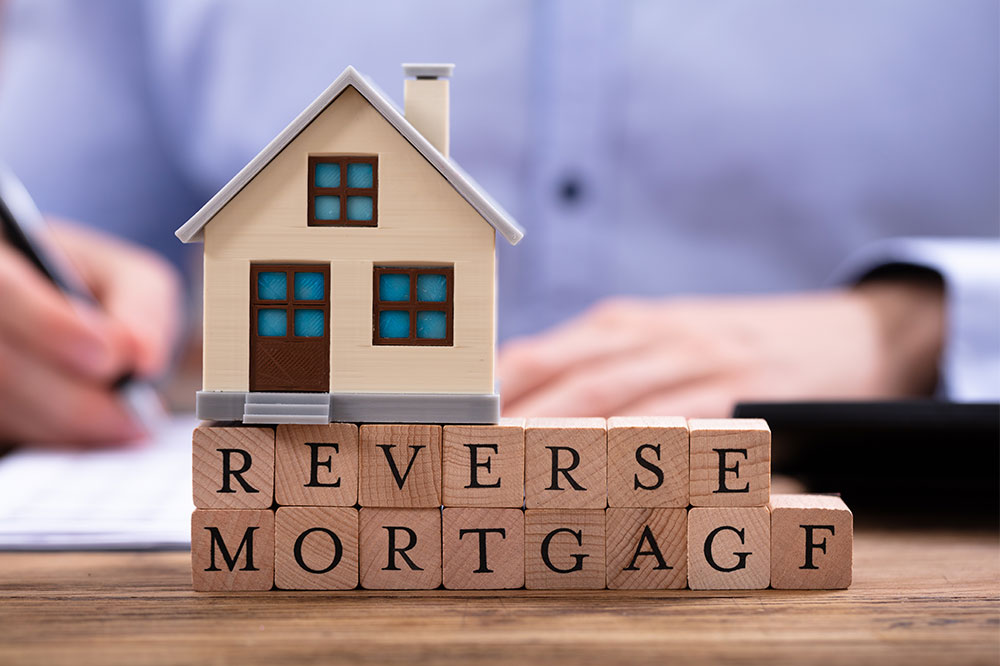
A reverse mortgage provides the elderly access to equity in their homes and supplements their income. With its flexible repayment option, it gives homeowners more control over their money. However, the government has laid out strict rules and guidelines concerning reverse mortgage eligibility criteria. So, if you’re considering a reverse mortgage, read on to know the reverse mortgage eligibility criteria and the types of reverse mortgages.
Reverse mortgage eligibility criteria
- The first criterion for a reverse mortgage is that the primary homeowner must be at least 62 years of age. If your spouse is under the age of 62, you might still be eligible if you meet other reverse mortgage eligibility criteria. If you’re not 62 or older than 62, then you won’t qualify for a reverse mortgage even if you satisfy the criteria mentioned below.
- You must be the primary resident of the home you’re seeking a reverse mortgage for. Note that vacation homes or rental properties do not qualify.
- You must either entirely own the house or have at least 50% equity in it. If you have any mortgage balance remaining while applying for a reverse mortgage, you must be in a financial position to pay off that balance.
- You must not be late or overdue on any debt from the federal government. This includes income taxes and federal student loans. If you have to pay off such debts, you may very well use the money from the reverse mortgage loan to settle these debts.
- You must already have enough money, or be willing to use the money from the reverse mortgage loan to pay property taxes, insurance, and home maintenance and repair costs.
- You must meet a Department of Housing and Urban Development (HUD)-approved reverse mortgage counselor to understand how a reverse mortgage works. During the counseling, the counselor will review your eligibility for a reverse mortgage loan and inform you of the financial ramifications associated with a reverse mortgage.
Types of reverse mortgages
Now that you know the reverse mortgage eligibility criteria, you might want to learn about the different types of reverse mortgages.
- Proprietary reverse mortgages
A proprietary reverse mortgage is what you need if you’re seeking a larger loan amount. You can easily get them if you have a higher-value home. However, you must note that these are private loans and are not backed by the government.
- Single-purpose mortgages
This is the least common type of reverse mortgage, and the borrower can only use the fund for one specific purpose. It’s usually offered by non-profit organizations, and a few local and state government agencies.
- Home equity conversion mortgages
This is the most popular type of reverse mortgage since it is funded by the U.S Department of Housing and Urban Development (HUD). Although these mortgages have higher upfront costs, the borrowers are allowed to use the fund for any purpose.