Foods that help manage ulcerative colitis symptoms
Ulcerative colitis is a type of inflammatory bowel disease (IBD) that affects the innermost lining of the large intestine, which is also called the colon or the rectum. The condition leads to inflammation and ulcers or sores in the digestive tract and needs specific management and care. Food and nutrition play a vital part in managing this disease, and this article specifically talks about the foods you should eat to manage ulcerative colitis better.
Refined grains
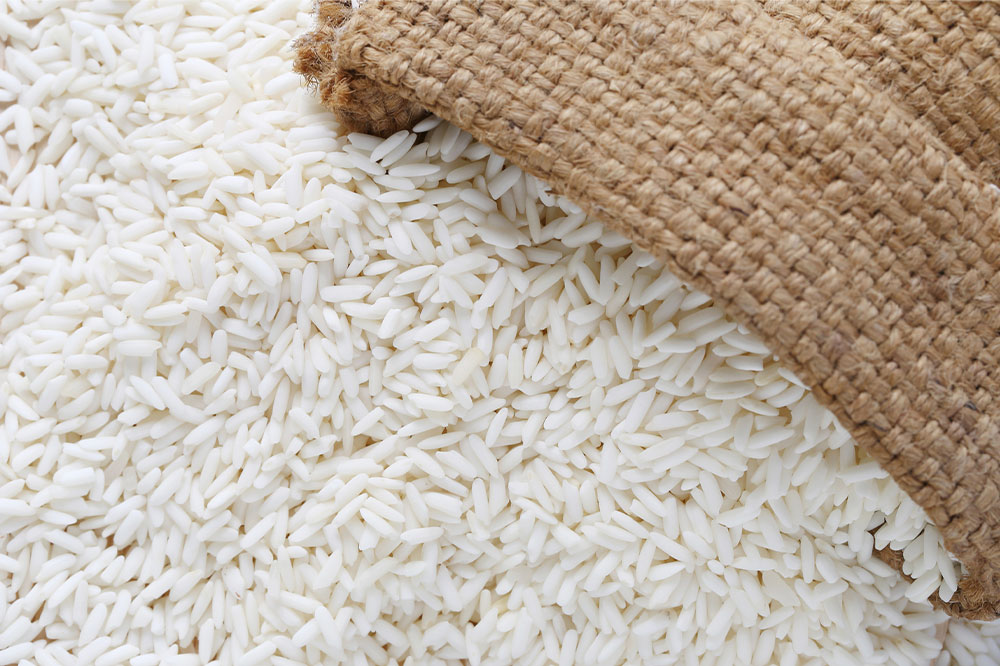
Go for white rice and refined white flour when your symptoms become persistent. White bread, pasta, oatmeal, rice, and gluten-free bread like sourdough can help ease the discomfort as these foods have more carbs and are low in fiber. The low fiber content does not irritate the gut lining and makes digestion easy. Avoid whole grains like brown rice, wild rice, rice pilaf, and lentils.
Low-fiber fruits
It includes food items like bananas, cantaloupes, very ripe apricots, honeydew melon, watermelon, nectarines, plums, peaches, and papaya. Fruits with low fiber are helpful because they do not stimulate the digestive tract, which leads to symptoms like diarrhea or inflammation. Avoid canned or raw pineapple, fresh figs, berries, prunes or prune juice, fruit seeds, and all dried fruits.
Variety of squash
While this is a fibrous vegetable, the fiber found in butternut squash, spaghetti squash, and acorn squash helps reduce inflammation in the digestive tract caused by ulcerative colitis. They also contain antioxidants and vitamin C, which benefit the immune system. Squash can be eaten as a cooked vegetable or even a puree or soup, which can be comforting for the gut lining.
Omega-3-rich foods
Some foods that fall under this category are ground flax, hempseed, chia seeds, walnuts, and fish like salmon, mackerel, tuna, sardines, cod, herring, and lake trout. Omega-3 fatty acids are known to reduce inflammation, making them a great addition to your food plan. Studies also suggest that omega-3 foods help decrease disease activity and improve antioxidant levels in the body.
Lean protein
Fish, chicken, and eggs are excellent sources of lean protein. Consider tofu if you are following a plant-based nutrition plan. Smooth peanut butter is also healthy if occasionally had; just ensure you do not have a peanut allergy. If you choose meat sources, ensure the meat is tender and soft and not chewy. Avoid options like sausage, hot dogs, beans, tempeh, and peas as protein sources.
When ulcerative colitis symptoms get too severe, doctors may recommend treatment options to manage the condition. They may recommend options like STELARA®, which is known to relieve symptoms within eight weeks of use. According to their studies, 68% of the subjects had no rectal bleeding and fewer daily bowel movements in the first year of treatment. Another option for ulcerative colitis is XELJANZ®. It is an oral treatment to manage moderate to severe ulcerative colitis.