Dos and don’ts of laundry
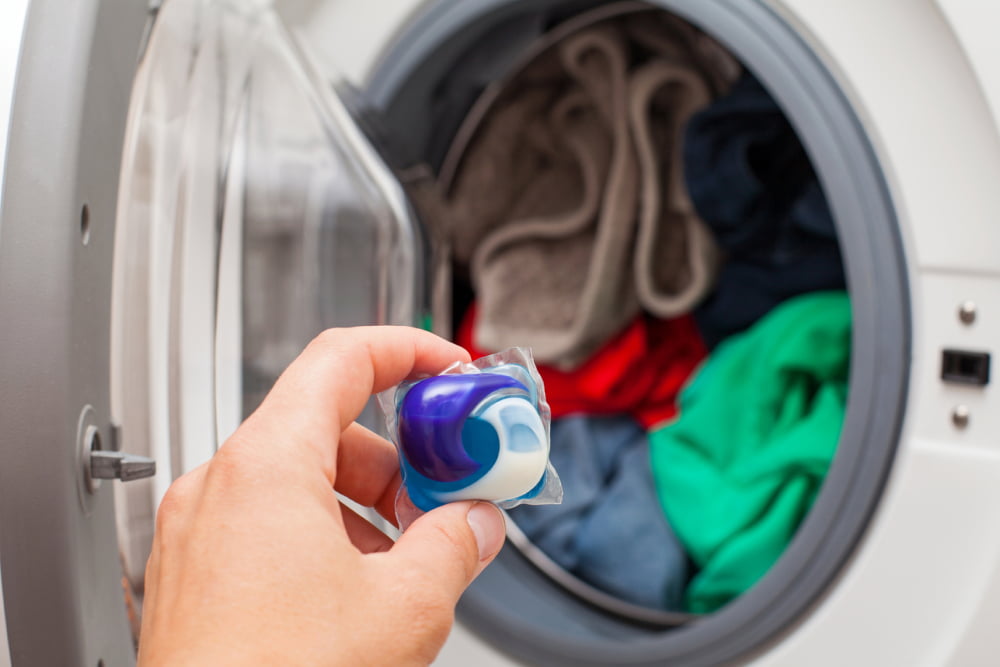
Laundry is a universal chore that everyone has to tackle at some point. Whether a seasoned laundry pro or a newcomer to the world of washing clothes, understanding laundry’s basic dos and don’ts is essential for keeping the clothes clean, fresh, and in good condition. This article sheds light on the basic dos and don’ts of laundry. These tips will definitely increase the shelf life of one’s clothes and bedding.
Dos of laundry
Here are a few things to keep in mind while doing laundry:
- Read care labels
Before tossing any garment into the washing machine, always take a moment to read the care label. These labels provide crucial information about the fabric and washing instructions. Pay attention to symbols and temperature recommendations to avoid damaging the clothing. - Separate the laundry
One of the golden rules of laundry is to separate the clothes by color, fabric type, and level of soiling. So, always sort the laundry into three main categories: whites, lights, and darks. Further, delicate items like lingerie and knitwear should be washed separately from heavier fabrics and rougher materials like jeans. - Check pockets
It’s a small step that can save one from unexpected laundry mishaps. Always check the pockets of the clothing for loose change, pens, or any other items that could damage the clothes or washing machine. - Use the right detergent
Different fabrics and washing machines require different types of detergent. Choose a detergent suitable for the washing machine (high-efficiency or regular) and the type of laundry to be done (standard, high-efficiency, or specialty detergents for specific fabrics like wool or silk). - Hang clothes to dry
Whenever possible, hang the clothes to dry instead of using a dryer. Hanging reduces wear and tear on fabrics, helps preserve color, and is more energy-efficient.
Don’ts of laundry
Here are some of the don’ts when doing laundry:
- Don’t overload the machine
It can be tempting to stuff as many clothes as possible into a single load, but overloading the washing machine can lead to inadequate cleaning and excess wear and tear on both the clothes and the machine. So, make sure to follow the manufacturer’s guidelines for load capacity. - Don’t mix colors
Avoid washing white or light-colored clothing with dark or vibrant-colored items. Mixing colors can result in color bleeding, leaving one with stained clothes. So, always separate the laundry by color to prevent this issue. - Don’t neglect zippers and fasteners
Unzip zippers on button-up shirts and close fasteners (in the case of lingerie) before washing to prevent them from snagging on other clothes.
In conclusion, mastering the dos and don’ts of laundry is essential for maintaining the longevity and quality of one’s clothing. This means that by following these basic guidelines, one can ensure that one’s clothes come out of the wash clean, fresh, and in excellent condition. Further, remember that laundry is not just a chore; it’s a skill that can make a significant difference in the life of one’s wardrobe.