Dehydration- Tips to stay hydrated and prevent headaches

Dehydration happens when the body loses more fluids than what is being replenished by way of foods and beverages daily. Even underlying health complications or side effects of prescriptions can trigger dehydration caused by symptoms like vomiting and diarrhea. Dehydration can further cause headaches to develop, trigger urinary tract infections, and even lower blood pressure. Here are a few simple changes in lifestyle and useful tips on how to stay hydrated explained.
What causes dehydration headaches?
The brain is made up of nearly 70% water, so a fluid deficiency can cause headaches. However, since the brain does not have any pain receptors, the headache is triggered by the receptors on the lining of the brain. Dehydration forces the fluids to shift out of the organ and force traction on the lining, known as meninges. This stimulates the pain receptors. The pain primarily develops in the front of the brain, where people often complain about a pressuring sensation that starts with a headache.
Easy ways to stay hydrated
Children and adults must remain hydrated throughout the day. Here are a few simple tips for maintaining consistency.
- Drink water first thing in the morning
Drinking a glass of room-temperature water right after getting up will kick-start the body’s metabolism. Remember, without an active metabolism, the organs and systems will not run at optimum levels. - Use a reminder
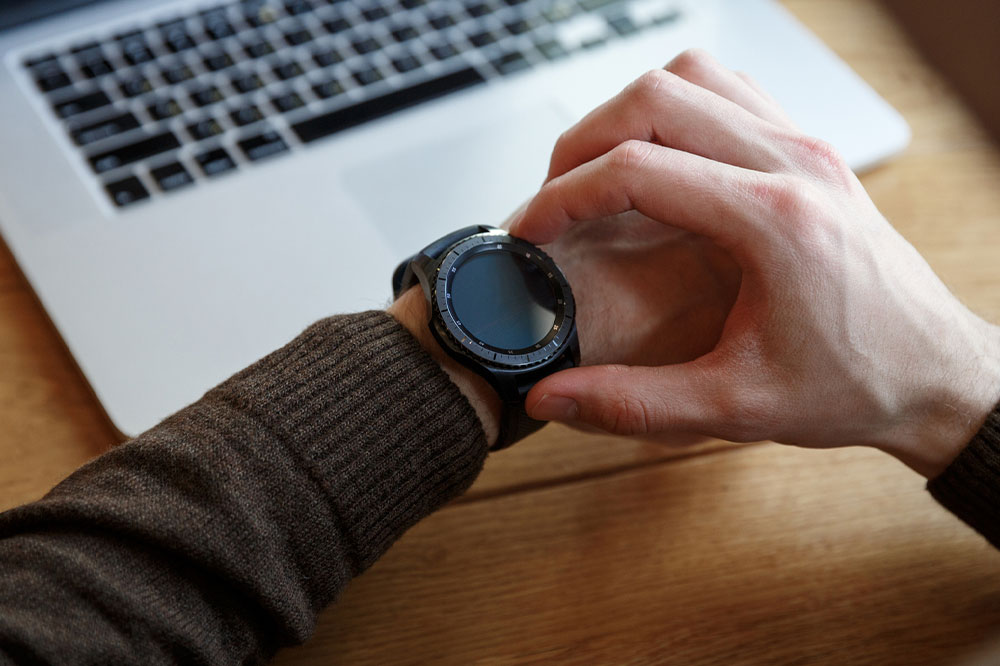
During a busy workday, it’s possible to forget about or even ignore thirst and hunger to get work done. But doing so can only worsen the headaches and symptoms associated with dehydration. Simply download the water reminder smart app and sync it to the smartwatch to get periodic reminders. Set the reminder with an hourly alert so that when the alarm goes off, you immediately drink a glass of water without having to keep track. - Buy a smart water bottle
This may sound like an unnecessary investment, but these smart water bottles ensure proper daily water intake. Similar to setting a reminder on the smart app, these bottles come equipped with a system that sends push notifications to track hydration. The bottle will adjust color and glow, indicating it’s time to drink water. Products like HydrateSpark TAP track the total amount of hydration accurately and conveniently remind you when it’s time to have a sip. - Hydrate before meals
Experts also recommend having a glass of water right before a meal to activate the metabolism and digest the foods better. This will also prevent the body from dehydrating as the water is used up for processing foods. - Be mindful of body signals
Hunger pangs and food cravings could also indicate dehydration. It’s not necessary to satiate cravings with food only. Sometimes, that rumble in the tummy also indicates fluid loss that needs to be replenished at the earliest. - Consider flavored beverages
Lemon juice, orange juice, coconut water, and watermelon juice are all tasty, flavorful fluids that can be relished apart from a glass of water during the day.