Consider these pros and cons before using charcoal toothpaste
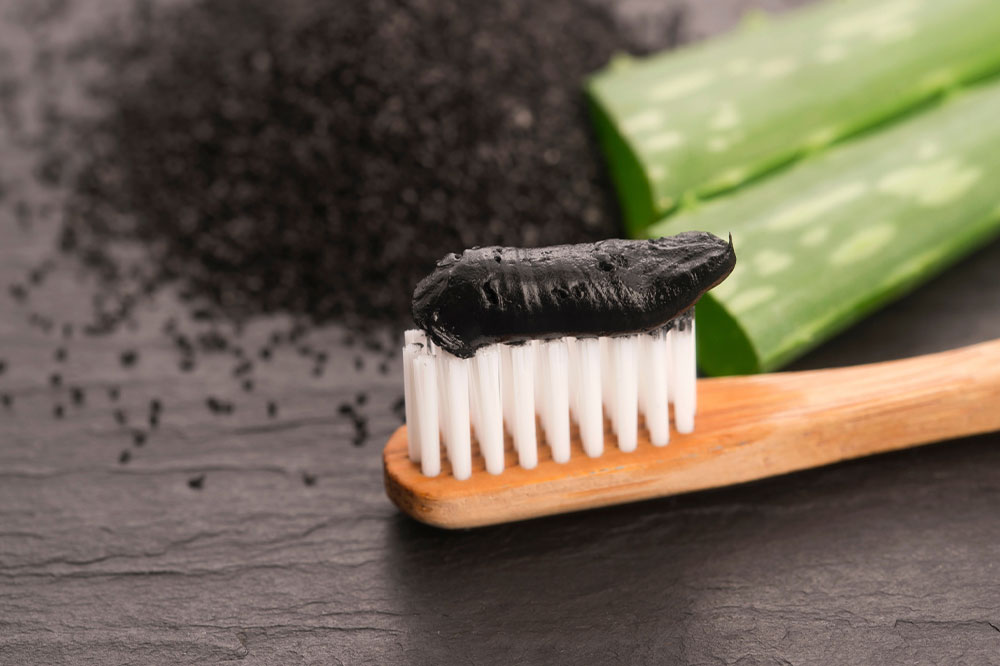
Charcoal toothpaste has recently gained popularity as a natural alternative to traditional toothpaste. Advocates of the product claim that it can whiten teeth, remove stains, and improve overall oral health. However, before one makes the switch to using charcoal toothpaste, it’s important to know what it is, its effectiveness, and potential risks. By weighing the pros and cons, one can determine if charcoal toothpaste is the right choice for their oral hygiene routine.
What is activated charcoal?
Charcoal is a black odorless substance produced by heating wood, peat, coconut shells, or other organic matter in the absence of oxygen. Activated charcoal is a finely ground powder that has been treated with oxygen at a high temperature to reduce the size of its pores. The process improves its ability to adsorb or attract toxins or impurities. This makes activated charcoal useful in a variety of applications, like filtering water, absorbing toxins in the digestive tract, and in skincare products to remove impurities. Recently, it’s also being used in toothpaste as an ingredient to help whiten teeth and remove stains.
Pros
Teeth whitening: Charcoal toothpaste is claimed to whiten teeth by removing surface stains. It is a porous material that absorbs impurities, including plaque and stains.
Natural ingredients: Charcoal toothpaste typically contains natural ingredients such as activated charcoal, coconut oil, and essential oils. It does not contain artificial sweeteners, preservatives, and other chemicals found in traditional toothpaste.
Affordable: Toothpaste containing charcoal is relatively affordable. It is widely available online and in many stores.
Improves bad breath: The toothpaste may improve bad breath due to its ability to adsorb odor-causing bacteria and chemicals from the mouth, leaving one with fresher breath.
Cons
Abrasive: Charcoal toothpaste is more abrasive than traditional toothpaste. This may be harmful to enamel and gum tissue. So, it’s best to avoid overusing it.
Can get messy: Charcoal toothpaste can be messy and difficult to use. It can stain clothing and sink if not used carefully. It can also be difficult to rinse off completely, leaving black residue in the mouth.
No fluoride: It is important to note that activated charcoal toothpaste should be used in moderation and not as a replacement for regular toothpaste, as it does not contain fluoride. Commonly added to toothpastes, fluoride is a naturally occurring mineral that has shown to help prevent tooth decay and strengthen tooth enamel, the outer layer of the tooth.
Lack of evidence: The scientific evidence to support the claims made about charcoal toothpaste is sparse. While some studies have suggested that it may help remove surface stains, there is no evidence that it improves overall oral health or prevents cavities.
Not suitable for everyone: Since charcoal toothpaste is abrasive, it may not be suitable for people with sensitive teeth or existing dental problems. It is also not recommended for children, as they may swallow the charcoal.
Charcoal toothpaste has its pros and cons. It is important to consult a dentist if one has any concerns about their oral health. If one decides to try charcoal toothpaste, it is advisable to opt for a reputable brand and follow the usage instructions carefully.