Common blood disorders and their treatment options
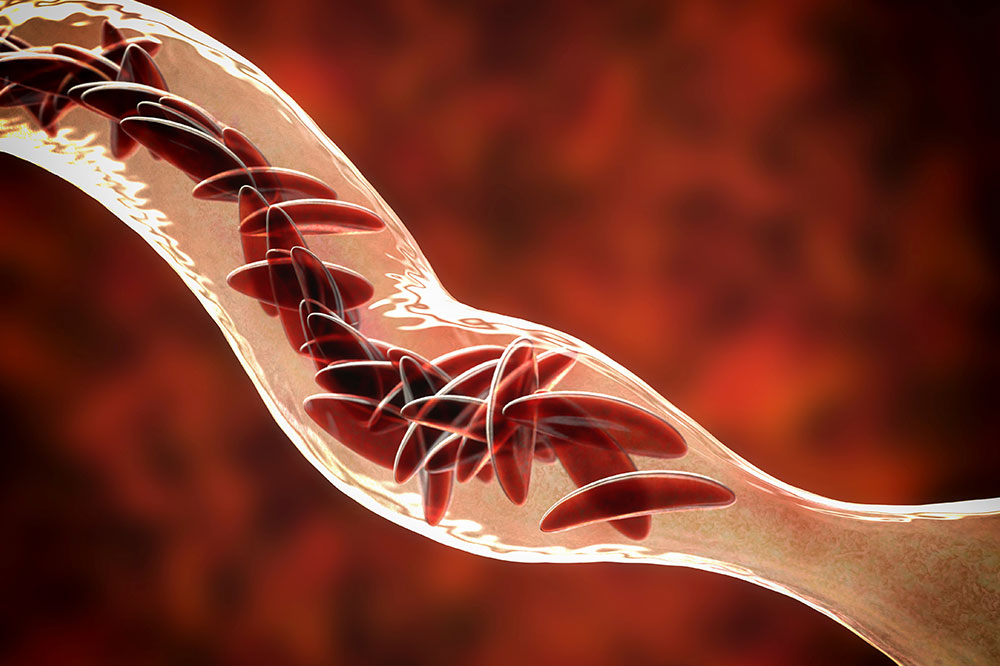
Blood disorders are a type of disease that affects both solid and liquid parts of the blood. Plasma, the liquid portion, contains water, salts, and proteins. The solid portion contains white blood cells, red blood cells, and platelets. Multiple organs and tissues help blood function normally in our bodies. This includes the bone marrow, clotting proteins, lymphatic system, liver, kidneys, and spleen. Any problem with one or more of these tissues or blood cells can cause blood disorders.
All blood disorders are taken care of by medical experts called hematologists. They are physicians who specialize in diagnosing and treating blood disorders. Hematologists examine your medical history and your symptoms to determine the most probable diagnosis. The procedure may involve a blood test, urine test, bone marrow biopsy, and others. Keep reading to know more about some common blood disorders and their treatment methods.
Anemia
Anemia usually results from iron deficiency, sickle cell disease, or thalassemia, and its treatment depends on the type, cause, and severity of the condition. Possible treatment can include vitamin and nutritional therapy, and medicines to boost the production of red blood cells in the body. In extreme cases, your doctor may take you through a blood transfusion procedure to quickly replenish red blood cells in your blood. Some rare forms of anemia might require transplantation of bone marrow or blood stem cells.
Hemophilia
The hallmark trait of hemophilia is excessive and prolonged bleeding. Hemophilia is usually treated by injecting treatment products, called clotting factor concentrates to help the blood clot properly. The treatment can involve treatment products for which can be used to stop a patient’s bleeding episodes and prevent them from occurring from time to time. Fortunately, nowadays, people with hemophilia can learn how to give their own clotting factor treatment products at home. This means you can get immediate treatment at your home and avoid severe bleeding.
Leukemia
Leukemia is a type of blood cancer that involves the abnormal build-up of white blood cells in the bone marrow. There are different treatments available for leukemia, and choosing among them depends on the severity of the condition. In mild cases where the disease is spreading gradually, it can be treated by regularly monitoring the symptoms along with prescribed medication. Rapidly spreading leukemia is often treated with the help of chemotherapy, followed by radiation and a stem-cell transplant, if required. Other treatments may include targeted therapy and immunotherapy.
Polycythemia vera
Polycythemia vera is a type of blood cancer that leads to excess formation of red blood cells. This causes blood to thicken and slow down its flow. Unfortunately, the disease has no cure yet. However, treatments are available to help control the condition and avoid complications by reducing the number of red blood cells. A popular treatment option for the disease is phlebotomy, a procedure that removes some blood from the body by inserting a needle into your veins. Your doctor may also give you some medicines to limit the production of excess red blood cells in your bone marrow.