Home > Health
6 tips to shave hair safely from intimate areas

6 tips to shave hair safely from intimate areas

Shaving hair from the intimate areas is a regular part of grooming for many, mainly because it maintains hygiene. These days, several methods of hair removal, such as waxing, laser hair removal, etc., have emerged. Nevertheless, the good old technique of shaving remains popular as a cost-effective, simple, and effective way to get rid of unwanted hair. So, here are a few tips to consider when shaving the intimate areas: Exfoliate the skin before shaving One of the first steps to shaving hair from the intimate areas is exfoliating these parts. Essentially, exfoliation helps remove dead skin cells, which may cause ingrown hair to develop if left on the skin while shaving. One should remember to exfoliate gently using a soft loofah, exfoliating towel, or even bare fingers. The exfoliation should be done in a circular motion and with mild pressure applied to the skin. Apply a fragrance-free shaving cream Products with added fragrances can cause itching and skin irritation and sometimes even trigger hives. That’s why it is important to use a fragrance-free shaving cream when shaving the intimate area so that one does not develop skin infections later. If one has sensitive skin, one should ensure to buy a product that is suited to sensitive skin.
Read More
6 essential nutrients and their importance

6 essential nutrients and their importance

Right from childhood, one is always advised to eat healthy meals. Terms like “balanced meals” and “essential nutrients” are common whenever there’s a conversation about eating healthily. But what exactly are these essential nutrients? There are six basic essential nutrients that the body needs to function properly. These nutrients are present in certain foods that one must eat to stay fit. Let’s understand what these six essential nutrients are and why the body needs them. Carbohydrates Carbohydrates, which people fondly refer to as “carbs,” are the fuel for the body as they give it its much-needed energy. They are also categorized into two types – simple carbs and complex carbs. Simple carbohydrates are the ones that are present in white rice, pasta, sugar, etc. It is important to limit their intake for healthy living and, instead, add more complex carbs to one’s daily meals. Complex carbs are present in foods like quinoa, brown rice, vegetables, etc. Along with providing energy, complex carbs also support the body’s immune system, nervous system, and digestive functions. Protein Protein is quite popular among fitness enthusiasts as it helps the body in building muscles. But along with that, the body needs protein for various other reasons.
Read More
5 things to consider when choosing dental practice software

5 things to consider when choosing dental practice software

Deciding which management software to use for a dental practice can take time and effort. There are numerous options and features to filter out, and there has to be a single winner. Fortunately, the task is not as intimidating if the person knows what they need from the software for their dental practice. Decide on the non-negotiable factors or the reasons one requires the software and use them as a checklist to select the right program. Customer support Most of the time, dentists spend hours trying to familiarize themselves with the software. The practice and the patients will need time to get used to and trust it. Initially, there will be a list of questions about how the software works. Therefore, make sure to pick a software provider that has a decent customer support team. As a new user, there will be numerous occasions when the business will contact customer support with queries. One should see if the dental software has comprehensive training materials and support services. Reporting Not everyone is good at filing and reporting. This is where most people, dentists included, can make the best of dental practice software. Dentists are required to maintain updated and complete records of patients’ treatments for proper care and compliance.
Read More
4 things to keep in mind when applying for disability benefits

4 things to keep in mind when applying for disability benefits

A disability can restrict a person’s ability to work, sometimes several years before they reach retirement age, negatively impacting their financial status. To help such individuals, Social Security Disability Insurance (SSDI), a social insurance program, allows them to earn coverage for benefits by working and paying Social Security taxes on their earnings. However, before applying for SSDI benefits, there are certain important things to remember, such as the eligibility criteria and the application process. The types of qualifying disabilities The list of conditions that qualify for disability benefits may differ based on various circumstances. For instance, an individual with a spinal injury or a diagnosis of terminal cancer will be considered disabled. The Social Security Administration maintains an impairment listing known as the Blue Book. It contains mental and physical impairments that may automatically qualify one for SSDI benefits – on the condition that the applicant meets the specified criteria for a listing. The 100% disability criteria The SSDI program is a total disability program for people who are 100% disabled. An applicant must provide evidence that proves their condition is severe enough to render them unable to return to work for at least one year. Though one might feel they are disabled, if they can return to work in less than a year, the SSA may deny the claim.
Read More
4 questions to ask when consulting an ophthalmologist

4 questions to ask when consulting an ophthalmologist

Going for regular eye checkups is an important part of maintaining eye health. Such examinations provide insights into the overall health of one’s eyes and create a healthcare history for future reference. Ophthalmologists are health experts with professional training and experience in diagnosing and treating eye-related conditions. When consulting ophthalmologists for eye examinations, one must also ask important questions concerning eye health to understand eye-related conditions and make informed decisions about treatment and care. What are the tests being conducted? Eye examinations can often trigger anxiety among individuals, mostly concerning tests conducted by ophthalmologists. Even the eye drops these professionals administer into the patients’ eyes to dilate their pupils – can cause discomfort. However, these remedies are important because they help doctors by allowing them to examine one’s eyes better by dilating the pupils. To clear any doubts about eye exams, patients should communicate with their ophthalmologists about the tests planned for them and why they are important. This helps individuals understand eye examinations better and relieves anxiety before checkups. Is there a risk of any eye disease developing? Once the test results of the eye examination are in, individuals must ask the doctor if they are at risk of developing an eye-related condition.
Read More
6 warning signs of sleep deprivation

6 warning signs of sleep deprivation

Sleep deprivation occurs when one gets less sleep than what their body needs. Health experts say adults require at least seven hours of sleep, while children might need about nine hours. The amount of sleep needed can also vary depending on pre-existing health conditions, activity levels, and other factors. When one does not sleep enough, it affects memory and blood pressure and causes tiredness and other symptoms in the long run. Gradual changes in sleep patterns Sleep pattern changes are often one of the first signs of sleep deprivation. These changes occur slowly over time. For instance, one may fall asleep when they do not intend to, such as while reading the newspaper or watching TV. Sometimes, one may sleep for long hours during the weekend or take multiple naps without intending to. This is quite normal once in a while or when recovering from illnesses like the flu. But, when these patterns occur repeatedly over time, it could mean one is not sleeping enough at night. Changes in energy levels and mood With sleep deprivation, the body does not get enough rest. A lack of rest can increase cortisol and other stress-related chemicals in the body. When that happens, one may consistently feel irritable, have sudden mood swings, and continuously have low motivation levels.
Read More
4 benefits of gut health supplements

4 benefits of gut health supplements

Poor gut health can be the cause of several health issues such as eczema and diabetes. One of the best ways to keep the gut healthy is by ensuring the gut microbiome is balanced. Probiotics play a huge role in maintaining gut health, and while they are present in certain foods, one can boost their intake by taking supplements. These supplements, also called gut health supplements, can help manage digestive issues and other conditions. Replenishes good bacteria in the gut Probiotics are live bacteria, also called the “good” bacteria. These good bacteria are present in the gut and are responsible for aiding digestion and maintaining good gut health. Often, these good gut bacteria get killed due to certain health issues and the treatment options required for them. If the bacteria is not replenished in time, certain harmful bacteria and viruses can take their place in the gut. In such cases, taking gut health supplements can be very beneficial. These supplements replenish good bacteria in the gut and help restore one’s gut health. Helps reduce digestive disorders Several studies have shown that probiotics help in digestion and aid in tackling digestive issues such as diarrhea. Most digestive issues occur due to an imbalance in gut bacteria.
Read More
9 glaring signs of developing psoriasis

9 glaring signs of developing psoriasis

Psoriasis is a skin disease characterized by inflammation in the body. Dead skin cells build up on the skin’s surface, causing itching, burning, or stinging sensations. Psoriasis can appear in small spots or cover larger areas around the ears, feet, hands, eyelids, nails, scalp, or genitals. Sometimes, it may appear in more than one place at once. When it affects areas like the face or hands, it can significantly reduce the quality of life. Glaring signs of psoriasis Plaque development Plaques are another most common sign of psoriasis. They are red, thick, raised patches on the skin that can be covered with a thin, silvery-white coating known as scale. The size of plaques may also vary, and they may join together to form larger patches. Most commonly, plaques may appear on the scalp, elbows, knees, or lower back. Dry skin The plaques or scales in psoriasis can disrupt the skin’s moisture and often lead to dry skin. In cases like erythrodermic psoriasis, the skin may even look burnt. Persistent itching Itching around and on the thickened skin is another common sign of psoriasis. However, one should avoid scratching the affected areas since it can thicken the patches and worsen symptoms.
Read More
8 early warning signs of Crohn’s that shouldn’t be ignored

8 early warning signs of Crohn’s that shouldn’t be ignored

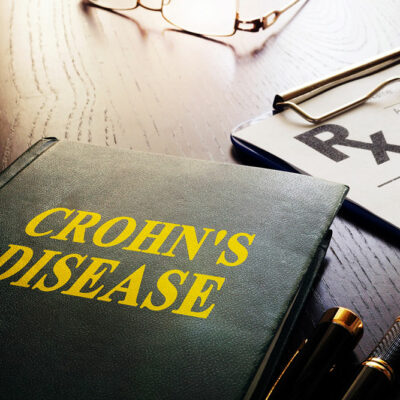
Crohn’s disease is an inflammatory bowel disease (IBD) that causes the digestive tract to become irritated and swollen. Patients experience several symptoms, such as abdominal pain, diarrhea, and rectal bleeding. While these symptoms may not always point toward Crohn’s disease, it is important not to ignore them but to consult a doctor for a timely diagnosis. Although the condition has no cure, one can manage its symptoms with treatment and care. Abdominal pain Pain and cramps in the abdomen are some of the most common tell-tale signs of Crohn’s disease. They occur as soon as the condition develops and persist through its advanced stages. The pain often appears as a dull ache in the lower right side of the abdomen, with cramps in the same region. Diarrhea Another common early warning sign of Crohn’s disease is diarrhea. Diarrhea must be addressed if it is chronic or occurs frequently because it can worsen the inflammation and irritation in the bowel. The increased inflammation and irritation may lead to a constant urge to move the bowels, causing the stool to be runny and loose. Bloating Crohn’s disease also causes bloating. Due to this, one may feel full even without eating a complete meal.
Read More
5 warning signs of high blood pressure

5 warning signs of high blood pressure

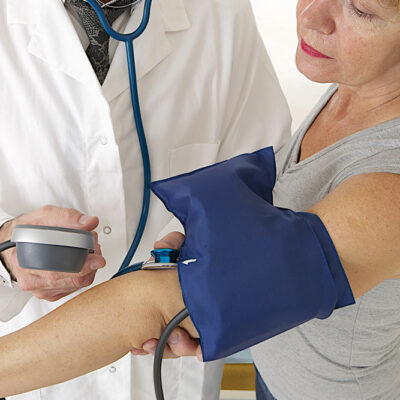
High blood pressure occurs when the force of blood against artery walls is too high. This can lead to severe complications in the body, such as strokes and heart attacks. It is important to note that high blood pressure can be a concerning health issue because it often does not display any symptoms, particularly in the early stages. Individuals may not even realize they have high blood pressure until it becomes severe. Severe headaches One of the most telltale symptoms of high blood pressure, or hypertension, is experiencing severe headaches. It is also a very commonly observed sign. As per a study, headache is a symptom experienced by more than 20% of those with high blood pressure. Headaches occur when blood exerts too much pressure on the arteries in the brain. If one experiences severe headaches, one should consult a healthcare professional on priority. Chest pain Experiencing chest pain is a common symptom of high blood pressure. This occurs when the blood pressure is so high that the arteries in the heart do not get enough blood supply. One may even experience heart palpitations as a warning sign of high blood pressure. However, it’s worth noting that chest pain may not necessarily be caused by high blood pressure and could indicate other medical conditions.
Read More
Showing 351-360 Results of 366

34353637

  • About Us
  • Contact Us
  • Privacy Policy
  • Advertiser Information
  • Terms of Service

© 2025 GoodBandwidth.com. All Rights Reserved.

e