Home > Health
Dehydration- Tips to stay hydrated and prevent headaches

Dehydration- Tips to stay hydrated and prevent headaches

Dehydration happens when the body loses more fluids than what is being replenished by way of foods and beverages daily. Even underlying health complications or side effects of prescriptions can trigger dehydration caused by symptoms like vomiting and diarrhea. Dehydration can further cause headaches to develop, trigger urinary tract infections, and even lower blood pressure. Here are a few simple changes in lifestyle and useful tips on how to stay hydrated explained. What causes dehydration headaches? The brain is made up of nearly 70% water, so a fluid deficiency can cause headaches. However, since the brain does not have any pain receptors, the headache is triggered by the receptors on the lining of the brain. Dehydration forces the fluids to shift out of the organ and force traction on the lining, known as meninges. This stimulates the pain receptors. The pain primarily develops in the front of the brain, where people often complain about a pressuring sensation that starts with a headache. Easy ways to stay hydrated Children and adults must remain hydrated throughout the day. Here are a few simple tips for maintaining consistency. Drink water first thing in the morning Drinking a glass of room-temperature water right after getting up will kick-start the body’s metabolism.
Read More

7 common migraine triggers

7 common migraine triggers

Migraine, a debilitating disorder is frequently written off as a headache. According to statistics, this condition is seen in 15% of the population. It is high time that this neurological condition is taken seriously. Pain, nausea, vomiting, and sensitivity to light and sound are possible side effects of this condition. Some might even experience an intense form of migraine that is present with an aura. None of this is a matter that should simply be dismissed. Hormonal changes Hormonal changes are another factor that can trigger migraine episodes. This is most commonly seen in women. Hormonal migraines are common around menstrual cycles and can be seen in most women that experience severe PMS symptoms. Some with health conditions like PCOS and endometriosis also frequently suffer from migraine attacks triggered by changes in estrogen levels. A survey found that approximately 17.1% of females in the country reported migraine symptoms. Weather conditions Weather changes other than extreme temperatures can also result in migraine attacks for some patients. This can include changes in wind, barometric pressure, and humidity. Since not much can be done in accordance with weather changes, it is important for the patient to identify their migraine triggers and be aware of them.
Read More
Top 5 ways to prevent recurring headaches

Top 5 ways to prevent recurring headaches

Most people experience headaches from time to time. At the same time, others have chronic headaches that can hinder their daily activities. However, preventing a headache can be a lot easier than getting rid of one. While the exact causes of these throbbing aches are poorly understood, one can identify the triggers to manage or minimize them. Keep reading the article to know more about the top ways to prevent them. Top 5 ways to prevent headaches before they begin Stick to a regular sleep schedule One of the most effective ways to prevent headaches is to focus on healthy habits. This can include following a regular sleep schedule and eating nutrient-rich foods, and one must consistently follow these habits to prevent headaches in the long run. This means one must sleep and wake up at the same time every day, even on weekends. Drink plenty of water throughout the day Staying hydrated throughout the day is one of the healthiest ways to prevent headaches. However, most people need to realize that they need to drink more water throughout the day to ensure the body functions properly. Hence, healthcare professionals suggest drinking at least one glass of water each morning and evening meal.
Read More
Why can caffeine both relieve and worsen headaches

Why can caffeine both relieve and worsen headaches

Nothing pumps up our energy levels better than a cup of warm tea or coffee on a busy workday. Reports by the FDA suggest that around 80% of people in the country have caffeine daily. But is this compound healthy? While many studies have been conducted on the effects of caffeine, the results have always been conflicting. This article analyzes the pros and cons of consuming caffeine while suffering from headaches. How does caffeine help during headaches? A cup of tea or coffee can provide the following benefits when suffering from a headache: Quick migraine relief If the pain is migraine-related, caffeinated beverages can help relieve the symptoms by reducing inflammation. Caffeine’s vasoconstrictive properties cause blood vessels around the brain to narrow and restrict blood flow, which helps reduce pain. Calming effect on the body Tension headaches are caused when the muscles in the scalp and neck contract in response to stress or depressive symptoms. Caffeine increases the levels of a specific compound in the body that has a calming effect, relieving tension headaches. Relief from hypnic headaches Hypnic headache (HH) is a rare headache that occurs only during sleep, particularly during the REM stage. Researchers say these headaches could be caused because the brain area responsible for pain processing is triggered during this stage of sleep.
Read More
7 strategies for improving blood count and circulation

7 strategies for improving blood count and circulation

Aging causes some changes in the body that can, at times, come with unpleasant outcomes, such as menopause and the hot flashes that accompany it. Another common and frustrating age-related issue is changes in blood count and circulation. These changes could cause people to develop further problems like anemia, poor wound-healing ability, and blood clots. However, one can maintain and improve blood circulation and count by making certain lifestyle changes. Here is what one can do: Hydrate well With aging, the body tends to be a little less capable of holding on to the water it is supplied with. This can be a bigger issue for those who already have a low water intake. Any compromise in the retention of water can result in dehydration, which in turn affects blood count and circulation. So stocking up on water and hydrating fluids is a great way of keeping one’s blood count and circulation in check. Eat balanced meals Eating balanced and wholesome meals ensures that the body gets all the required nutrients to function well. Plus, sticking to eating nutritious meals also means that one is not overfeeding the body with excess unhealthy fats, carbohydrates, and sodium. Including plenty of vegetables, fruits, and whole grains can help keep the blood count in check.
Read More
7 tips for preventing digital eye strain and headaches

7 tips for preventing digital eye strain and headaches

Today, you live in a fast-paced world where almost everything you do is associated with a digital screen. Here, electronics like smartphones, laptops, tablets, and televisions, help us work or enjoy some form of content. However, the constant use of such technology has its downsides, including health concerns like eye strain and headaches, which may affect the ability to carry out daily tasks. So, here are seven tips to prevent such discomfort: Take breaks Sitting in front of a screen for too long is one of the common causes of eye strain and headaches. So, whether you read, work, or watch something on a screen, you must take occasional breaks and look away. This will help you rest your eyes and avoid strain. Choose the right eyewear If you work on the computer for long periods, then you might need protective gear like computer glasses to avoid digital eye strain. You could get prescription or non-prescription eyewear with glasses that block blue light from computer and phone screens. Such glasses or contacts can shield your eyes from harmful light. Consider speaking to an optometrist to help you choose the right vision care products. Use eye drops Artificial tears or eye drops could help relieve dry eyes.
Read More
7 tips for a good night’s sleep with overactive bladder

7 tips for a good night’s sleep with overactive bladder

Overactive bladder, or OAB, is characterized by an uncontrollable urge to urinate more often than usual, even at night. It can play havoc with one’s sleep cycle, as patients wake up from their beds and rush to the bathroom multiple times. Determining the condition’s underlying cause helps doctors suggest a suitable treatment course to manage the issue. Besides following the recommended treatment, a few tips can help patients with an overactive bladder sleep better. Avoid drinking too many fluids at night Although fluids are necessary to avoid dehydration, excessive fluid intake at night can aggravate overactive bladder symptoms and disturb one’s sleep. Hence, patients must avoid having too many fluids after sunset and restrict water intake to a few sips after dinner. Limit caffeine intake Caffeinated beverages like tea and coffee have a diuretic effect, meaning they tend to increase one’s frequency of urination. Since the situation can worsen among individuals with this condition, they should limit their caffeine intake during the day and avoid it entirely in the evening for proper sleep. Avoid certain foods and beverages Certain foods and beverages like sweeteners, tomato-based products, carbonated beverages, and spicy foods can trigger or aggravate overactive bladder symptoms and affect sleep.
Read More
Lung disease – Symptoms, types, and more

Lung disease – Symptoms, types, and more

Disorders, such as asthma and COPD, that affect the airways and conditions, such as pulmonary fibrosis and lung cancer, that affect the lung tissue are known as respiratory diseases. Many factors can lead to lung disease. These include air pollution, genetics, and certain existing medical conditions. The management of lung disease varies depending on the patient’s specific situation. This article sheds light on the signs, symptoms, types, and management of lung diseases. Types of lung disease Infections or chronic illnesses can significantly impact one’s quality of life. This also depends on the type of lung disease one has. A few common types of lung disease include asthma, chronic obstructive pulmonary disease (COPD), pneumonia, tuberculosis, lung cancer, interstitial lung disease, pulmonary fibrosis, and sarcoidosis. Signs that indicate a lung disease Lung disease can be detected by some common signs: Breathing problems: Breathing problems, such as shortness of breath, are a typical sign of many lung conditions, such as pulmonary fibrosis, COPD, and asthma. Chronic cough: A cough that lasts for a few weeks or longer is considered chronic and might indicate a lung condition. The cough may occasionally produce phlegm or mucus. Wheezing: Wheezing, commonly linked to asthma and COPD, is a high-pitched whistling sound during breathing.
Read More
5 common period mistakes to avoid

5 common period mistakes to avoid

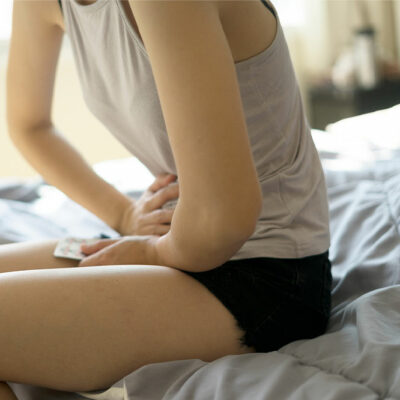
A period is the time of the menstrual cycle when the uterine lining sheds in the form of blood. A typical cycle lasts anywhere between 24 and 38 days. Some of the most common symptoms a woman feels during her period include cramps, mood changes, trouble sleeping, headaches, bloating, breast tenderness, and acne. Certain mistakes can add to the discomfort one feels during their period, and therefore, must be avoided. Using scented toilet paper, tampons, or pads Scented sanitary products may sound appealing but it can be quite irritating and may even cause burn-like symptoms. Ideally, one should stick to using fragrance-free hygiene products that are free of additives like aloe to maintain the pH levels around the vulva. Those with extremely sensitive skin may also benefit from using organic sanitary products that are free of chemicals such as pesticides. Douching the vagina and vulva The word “douche” is the French translation for “wash” or “soak.” Many women use this method to wash out the vagina during or after their period as they think it helps them feel cleaner. However, the vagina is a self-cleaning organ and douching can throw off the pH balance of one’s nether regions, making them more susceptible to yeast infections and bacterial vaginosis.
Read More
Top 7 embarrassing questions to ask a gynecologist

Top 7 embarrassing questions to ask a gynecologist

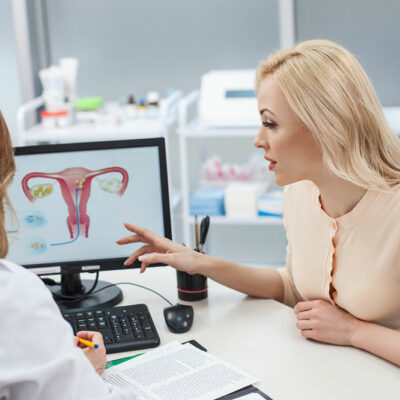
Every so often, there are questions that even the most outspoken of us may feel uncomfortable or embarrassed to ask the gynecologist. If you have questions about your health, it is best to speak up and be frank with your healthcare provider. As trained professionals, they are used to answering all kinds of queries to improve your understanding of your body. Here are some of the most commonly asked “embarrassing” questions at the gynecologist’s office: Does my vulva look normal? It’s pretty normal to wonder if your vulva looks “normal” compared to other women. Just like people, vulvas come in various shapes, sizes, and characteristics and are all considered “normal.” However, if you have noticed abnormal changes in your vulva, it may be worth conversing with your gynecologist. Why am I not interested in having sex anymore? Several different factors could result in low libido in women. It can result from stress, birth control or other medical treatments, or menopause. In fact, low libido is one of the common side effects of using birth control. While this is considered normal, it is advised to keep one’s gynecologist updated if one faces such issues. Talking about it with your doctor can help you find a simple solution.
Read More
Showing 201-210 Results of 366

1920212223

  • About Us
  • Contact Us
  • Privacy Policy
  • Advertiser Information
  • Terms of Service

© 2025 GoodBandwidth.com. All Rights Reserved.

e