Best ways to manage hemorrhoids
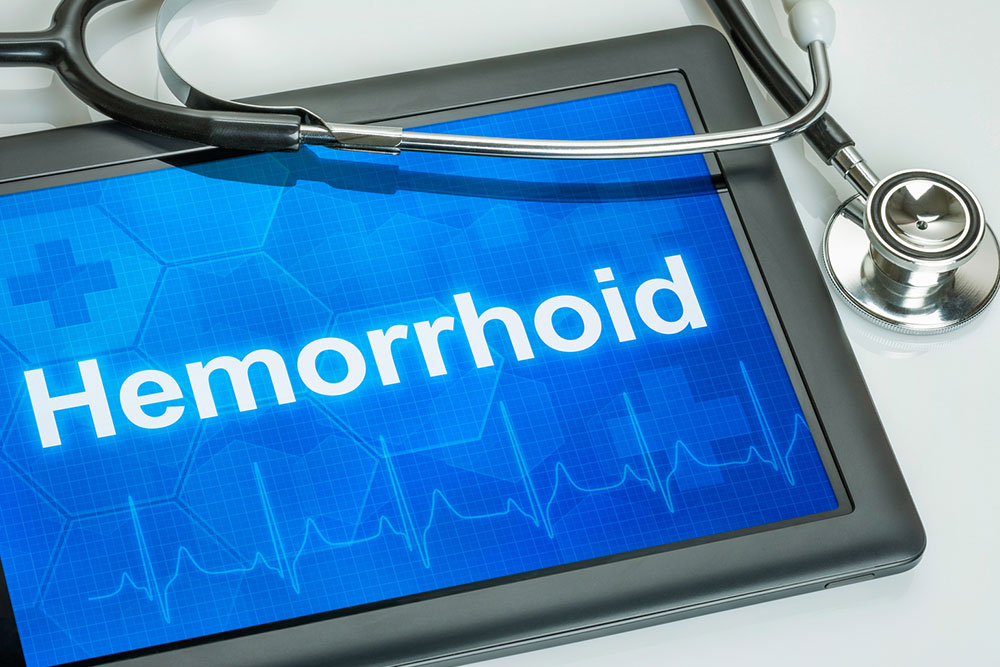
Hemorrhoids are a common health complaint, generally around midlife. This condition is a result of swollen veins in the anus and lower rectum, which causes pain, swelling, itching, bleeding, and mucosal discharge, among other symptoms in the region. Although hemorrhoids are not typically dangerous, they can be painful and uncomfortable. So, here are a few ways to manage the condition at home, along with formal treatments and therapies to get rid of hemorrhoids.
At-home management
In case of mild swelling or symptoms, the following at-home remedies may help:
– Increasing water intake can help reduce the risk of constipation or hard stool.
– Eating high-fiber foods helps soften the stool and increase bulk, reducing pressure around the area.
– One should avoid sitting on the toilet for a prolonged period.
– Using topical treatments such as a hemorrhoid cream can help calm the affected area.
– Soaking the affected region regularly in a warm or sitz bath can also help.
– Ice packs can help relieve any swelling or pain.
– Sitting on cushions rather than hard surfaces can help one manage swelling.
– Using moistened pads (such as baby wipes) instead of regular toilet paper is a better option for gently cleaning the area.
– Being more physically active can help in symptom management.
Treatments
In mild cases, doctors may only prescribe creams, ointments, suppositories, or pads to manage hemorrhoids. However, as symptoms worsen, one of the following may be recommended:
External hemorrhoid thrombectomy: Hemorrhoids can lead to the formation of a blood clot, which can be removed with a procedure called thrombectomy. This option works best when performed within 72 hours of the formation of the clot.
Rubber band ligation of hemorrhoid: If the hemorrhoid becomes too painful or does not stop bleeding, a minimally invasive procedure may help. One such example is the rubber band ligation, where two tiny rubber bands are tied around the base of an internal hemorrhoid to restrict blood flow. As a result, the hemorrhoid withers and falls off within a week. However, this can be uncomfortable and cause bleeding for 2 to 4 days after the procedure.
Sclerotherapy: Another minimally invasive technique is sclerotherapy, where a chemical solution is inserted into the hemorrhoid to shrink it.
Coagulation: Coagulation is also a minimally invasive procedure where laser, infrared lights, or heat is used to shrivel up hemorrhoids.
Hemorrhoidectomy: If the above procedures have not worked, surgery may be necessary. Hemorrhoid removal (or hemorrhoidectomy) is performed to surgically remove any extra tissue that may be causing bleeding. This can help one permanently get rid of hemorrhoids. However, one may experience some pain, discomfort, and trouble peeing right after the procedure.
Hemorrhoid stapling: In case of severe internal hemorrhoids, a procedure called hemorrhoid stapling or hemorrhoidopexy may be performed. This procedure causes less pain and discomfort as compared to a hemorrhoidectomy but has a greater risk of recurring hemorrhoids or even a prolapse. Other complications may include rectal bleeding, problems while urinating, or even sepsis.