Best foods for managing health issues
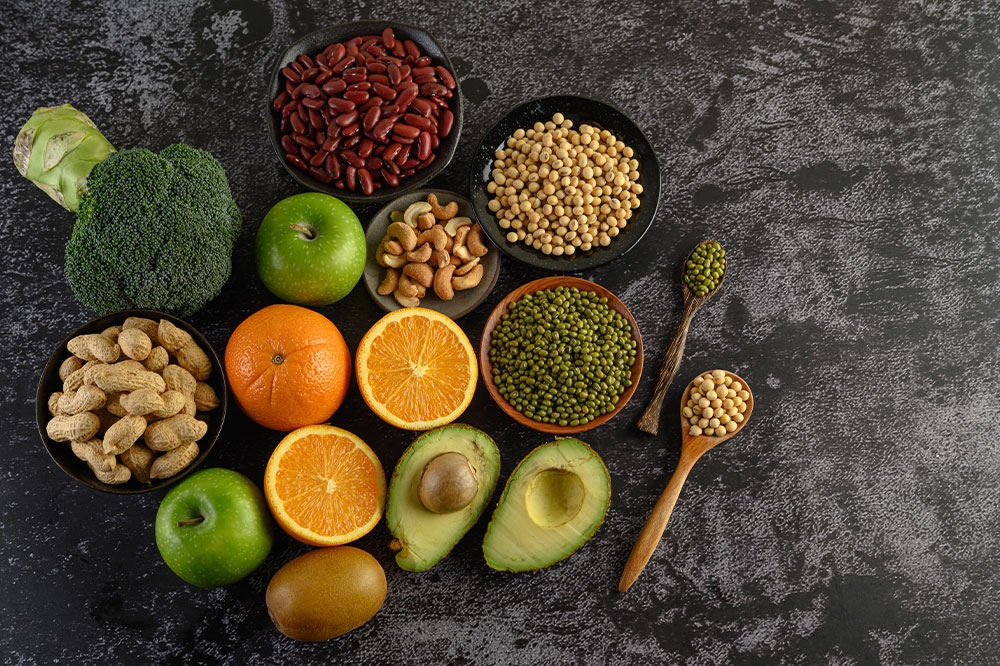
Food plays an important role in managing health issues. A deficiency of certain vitamins and nutrients can lead to complicated health conditions that need to be treated and managed through lifestyle changes, including better food choices. Such modifications can help one prevent complications and avoid triggering symptoms. So, one can opt for the following nutrient-rich foods, along with a healthy and sustainable lifestyle, to help them manage common health conditions:
Food and heart health
Studies suggest that a heart-friendly meal consists of fruits, vegetables, nuts, whole grains, and omega-3 fatty acids. Fish oil and olive oil are known to be beneficial for managing and reducing inflammation that could lead to heart diseases. Nuts and seeds, like almonds and pumpkin seeds, are known to reduce one’s risk of developing blood clots. Nuts and seeds can also lower the LDL cholesterol levels in the blood. One should, however, watch out for excessive salt in packaged nuts and ensure that they only have a handful of nuts and seeds in the day. One should consider adding whole grains rich in vitamin B, like oatmeal, quinoa, and brown rice, along with various antioxidant-rich fruits and vegetables like cantaloupe, spinach, sweet potatoes, carrots, and cod liver oil. Vitamin A-rich foods like tangerine, grapefruit, orange, and strawberries are also crucial for heart health.
Nutrition for brain health
One of the most metabolically active parts of the body, the brain needs specific nutrients from foods like soybeans, eggs, and peanuts which are high in choline. This nutrient is an important building block for the neurotransmitter acetylcholine responsible for healthy brain function. Other foods rich in choline include lentils, oats, barley, cauliflower, potatoes, flax seeds, and sesame seeds. One should also consider foods like salmon, halibut, herring, tuna, sardines, walnuts, pumpkin seeds, and mackerel to get their daily dose of omega-3 fatty acids, which help keep the brain’s fatty environment healthy.
Foods for bone health
As people get older, especially women, the risk of developing osteoporosis increases. So, it is important to improve bone health with the right kind of nutrition. This includes adequate calcium from foods like salmon, sardines, and dark green vegetables like collard greens, broccoli, and bok choy. Tofu and soymilk are also good sources of calcium. Dairy products can provide calcium, too, however, one could look for alternatives when dealing with lactose intolerance or following a plant-based meal plan. Additionally, vitamins D and K, magnesium, and boron are essential for bone health. One can get these nutrients in foods like lentils, pumpkin and flax seeds, tomato, pear, apple, prunes, raisins, almonds, dates, peanuts, honey, and filberts.
Foods for managing inflammation
To manage and prevent diseases brought on by inflammation in muscles or joints, one should ensure adequate intake of omega-3 fatty acids. Foods like halibut, salmon, sardines, tuna, herring, and mackerel can help manage swelling and inflammation in the body. Pumpkin seeds, walnuts, and freshly ground flaxseed oil are also great sources. However, one should watch out for rancid oil as it triggers inflammation.