8 incredible smoothie recipes to beat the flu
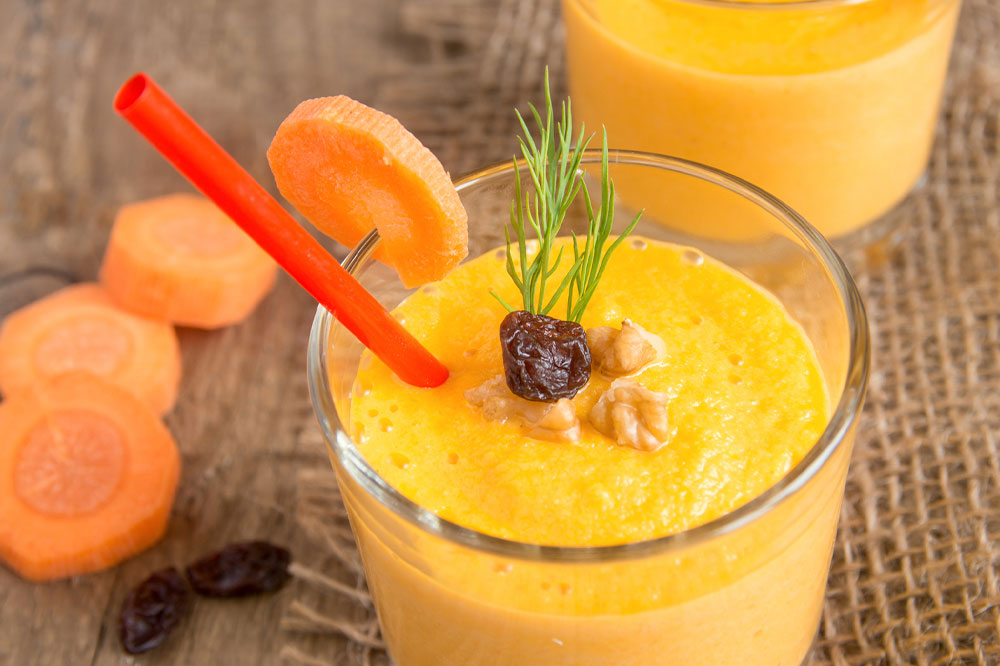
With the cold and flu season just around the corner, it is time to boost your immunity with the right fruits and vegetables. If you are not someone who enjoys eating them whole or raw in any form, put them into the food processor to whip up delicious smoothies instead. Add them to your breakfast in the morning, or have them as an evening snack to support your overall health with all the right nutrients.
8 smoothie recipes to boost your immune system and beat the flu and common cold
Blueberry-maple smoothie
Blueberries are a rich source of vitamin C and other antioxidants that boost one’s immunity. Blend one cup of blueberries with one cup of milk, half a cup of yogurt, two tablespoons of maple syrup, and some ice for a delicious treat.
Pumpkin smoothie
Fall isn’t the only time that pumpkins should be in demand! These orange gourds are a great source of vitamin A, which plays an important role in protecting the immune system. Blend some vanilla frozen yogurt with pumpkin puree, milk, pumpkin spice, and protein powder to create a delectable smoothie.
Carrot cake smoothie
Swap out your dessert for this mouth-watering smoothie, loaded with the goodness of vitamin A from the carrots and the anti-inflammatory and antioxidant properties of cinnamon and honey. All you need to do is blend carrots, vanilla protein powder, cottage cheese, milk, raw honey, cinnamon, nutmeg, vanilla extract, and ice!
Superfood smoothie
Take your taste buds on a tropical vacation with this superfood smoothie. Just blend some pineapple, mango, and banana, with coconut water and four cups of baby spinach. Add a little vanilla extract for taste, and top it up with chia seeds for an added boost of antioxidants.
Strawberry banana smoothie
Throw a cup of strawberries and a large banana into a blender, along with a cup of your favorite milk, for a delightfully sweet smoothie. The drink is packed with the goodness of antioxidants from the strawberries and potassium from the banana to boost your immune system.
Chocolate cherry smoothie
Try a chocolate cherry smoothie that is high in fiber and protein and a rich source of magnesium and antioxidants. Blend some almond milk with pitted cherries, a small banana, one tablespoon of almond butter, chia seeds, cacao powder, vanilla or chocolate protein powder, and a cup of kale or spinach for a yummy nutritional boost.
Avocado smoothie
Need an easy breakfast or snack recipe? Blend half an avocado with one banana, one cup of spinach, one cup of milk, and 1-2 dates for sweetness. This creamy and nutritionally-rich smoothie can also be customized to your taste with berries, cinnamon, or ginger for added antioxidant properties.
Orange smoothie
Make a delicious and wholesome smoothie out of green apples, carrots, and oranges to boost your immune system. This drink is loaded with the nutritional benefits of potassium, vitamin A, vitamin B9, folate, and vitamin C to support antibody production and fight off free radicals in the body.