7 ways to use glass for home walls and doors
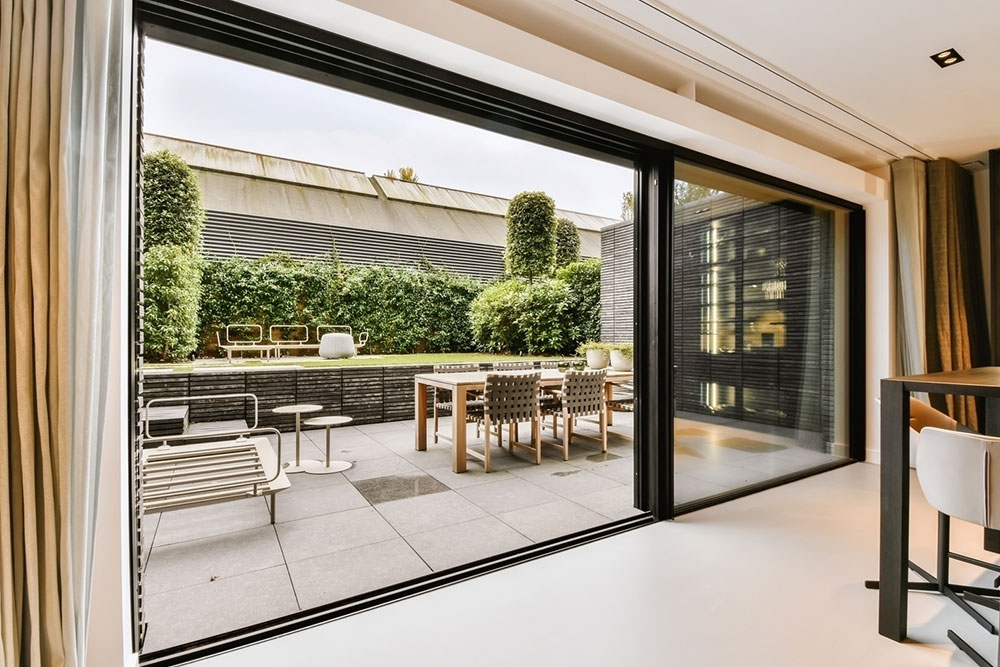
Toughened glass has quickly become a popular design element in many houses. From full-length windows and entry doors to even staircases, the use of glass can make any space appear bigger and brighter. The material is also incredibly functional, durable, and versatile, blending in seamlessly with many different architectural styles. Here are some spectacular ways in which one can use glass walls and doors to give their home a whole new look:
1. Partitions
Making use of walls to divide bigger rooms into smaller sections, such as using a wall to separate the kitchen and dining area, can make the house look smaller. Instead, one should opt for partitions made from toughened glass. This helps give the room a more spacious feel and allows natural light to flow freely throughout the house. With these clear partitions, homeowners can also connect the aesthetics of different rooms, giving the home a more put-together look.
2. Dressing screens
Toughened glass can also be used to add privacy to the room. Of course, the glass doesn’t have to be see-through. One can use frosted glass, fluted glass, or etched glass to carve out a little dressing nook in a large room. This creates a private little area without breaking up the space or impeding communication.
3. Sliding doors
Tired of the same old hinged doors? Replace them with sliding doors made of toughened glass. While they essentially perform the same function, they can make the transitions between rooms appear more seamless. This may be a great idea for those in two minds about committing to an open floor plan.
4. Kitchen backsplashes
Gone are the days of using marble or tile to create an easy-to-clean kitchen backsplash. Give the home a fresher look with toughened glass. As the material has a smooth, non-porous surface, it can be cleaned with ease. It is also less likely to stain. Many people also use toughened glass to cover their kitchen countertops for the same reason.
5. Wardrobe shutters
There are plenty of ways to add interest to the room, and using toughened glass on the wardrobe shutters is one of them. This is a great way of celebrating wardrobe organization skills in a sleek and stylish way.
6. Sunroom
Sunrooms have come back in fashion, and rightfully so! They are a great way to add a bit of greenery to the house. Plus, they can be used as entertaining spaces for small crowds. They typically use tempered glass for the walls to ensure that the plants receive adequate sunlight but remain undisturbed by other natural elements.
7. Windows
Windows made of toughened glass are quite common. Also known as safety or tempered glass, this material is quite robust and can resist breakage when exposed to temperature changes. Plus, it enhances the aesthetic appeal of the home by allowing natural light to flow in, creating a bright ambiance.