7 simple daily exercises for first-timers
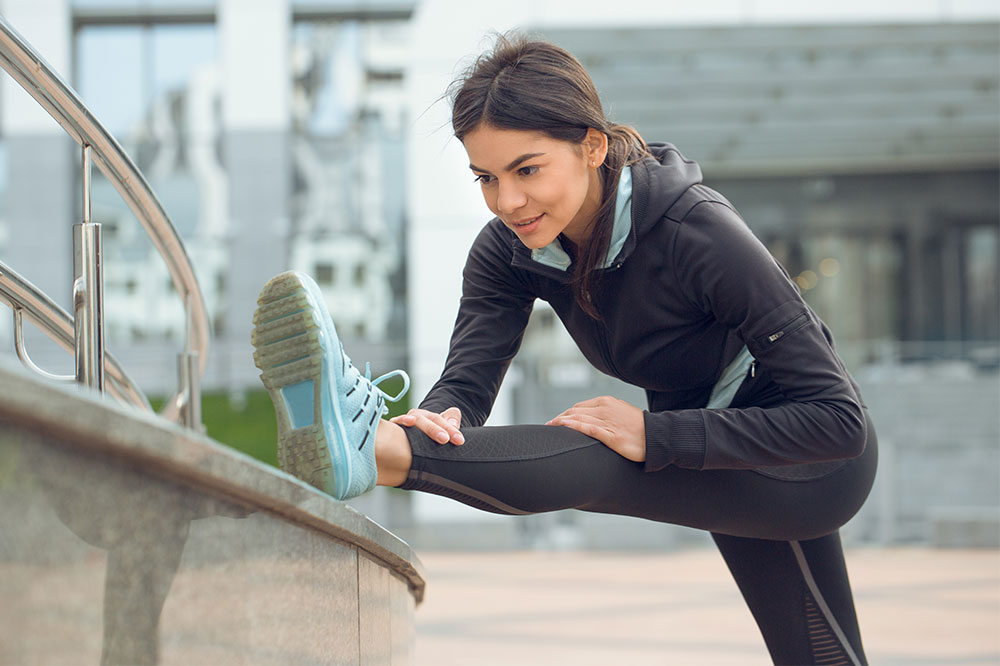
Research shows that besides enhancing one’s physical health, exercise improves mood, sleep pattern, and self-image and reduces the risk of developing mental illnesses. However, starting and sticking to a fitness journey can be pretty overwhelming. Simple exercises are ideal for beginners as they do not require equipment and can be seamlessly incorporated into everyday life. These seven simple activities will help those unsure of committing to a long-term fitness regimen.
Stretching
Stretching is the best place to start. Even if one doesn’t follow it with other exercises, stretching for 10 minutes in the morning can help improve one’s blood flow and balance and eliminate body stiffness. Some simple stretching exercises include neck tilts, neck, ankle, arms, waist, and shoulders rotations, spot jogging, and side bends.
Walking
This underrated exercise is strongly backed by science. It provides long-term health benefits and is suitable for all, from kids and seniors to those suffering from heart disease, high blood pressure, and type 2 diabetes. Walking daily for 40 minutes can help strengthen one’s bones and muscles, improve cardiovascular fitness, and boost energy levels.
Sun salutations
From forward folds to upward and downward dog, the classic sun salutation involves a series of easy full-body stretches that leave one feeling balanced. Such activity is designed to pump blood flow, loosen muscle stiffness, improve flexibility and coordination, and release stress. If one paces up the practice and repeats several cycles, sun salutations double as a complete cardio workout.
Ab crunches
They are low-impact exercises that target one’s abs and obliques. With mild variations, they are done lying down on one’s back and contracting one’s stomach muscles by raising the torso. Some typical crunches include the Russian twist, bicycle, vertical leg, and classic crunches.
Burpees
Another exercise that targets one’s entire body and improves cardiovascular endurance includes burpees. They burn calories, lower the risk of heart disease and diabetes, and are incredibly convenient. A standard burpee starts with a squat position, followed by a plank, a push-up, and a kickback jump.
Mountain climbers
In this exercise, one starts in a plank position with a tight core and alternate knee-to-chest hopping. A beginner’s delight, this simple exercise engages one’s lower back, glutes, hamstrings, quads, abs, hips, and deltoids.
Lunges
Lunges activate one’s core, quads, hamstrings, and glutes. They improve single-leg balance and strengthen the spine, back, and hips, which helps in minimizing the risk of injury. One can start with the basic stationary lunges and slowly progress towards the variations like side, twist, walking, and reverse lunges.
Whatever exercises one chooses, being mindful of breathing and physical form is crucial. Consistency is key to long-term health and fitness. So, starting with a 10-minute routine is always best and gradually increasing the time instead of launching into an hour of intense workout and losing motivation later.