7 signs that a dog is sick and tips for providing care
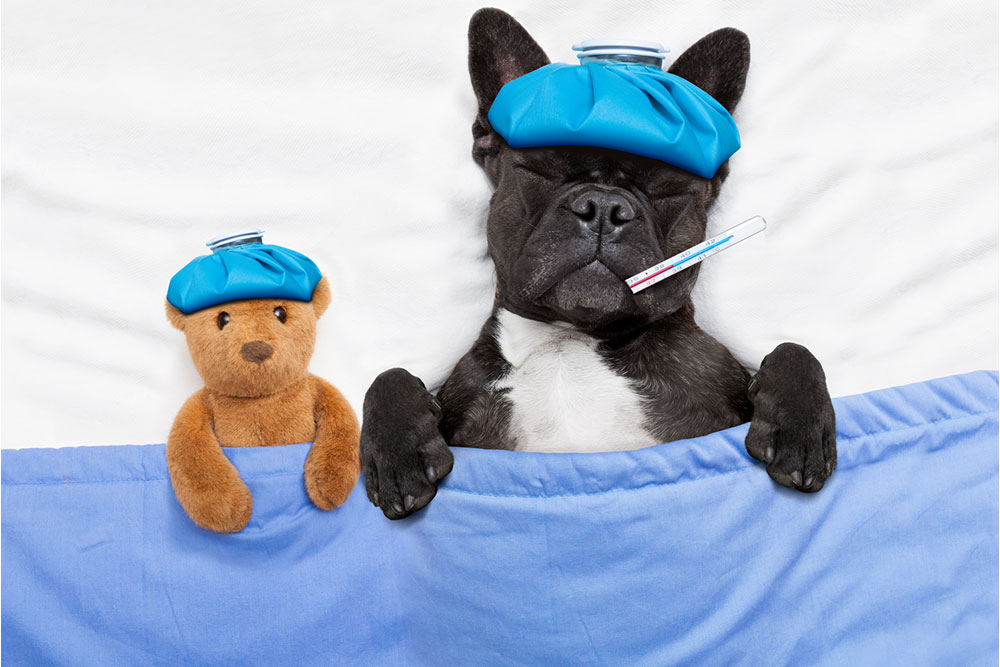
Dogs can bring immense joy and love as pets. A key aspect of providing adequate care to dogs is to be vigilant and attentive to their well-being. Dogs cannot communicate their feelings verbally, so it is important to look for signs of illness and any discomfort they may be experiencing. Here are some of the common signs indicating that a dog may be sick and what one can do to address such concerns:
Common signs
Changes in appetite
One of the first indicators that something might be wrong with a pet is a sudden change in appetite. If the dog is normally a voracious eater but suddenly becomes disinterested in food or starts eating significantly less, it could be a sign that something is wrong.
Lethargy
Dogs are typically active and playful animals. So, if the pet dog becomes unusually lethargic and reluctant to move or spends an unusual amount of time sleeping, these could be signs that the dog may be sick.
Vomiting or diarrhea
Occasional stomach issues may be normal, but frequent vomiting or diarrhea can be a cause for concern, possibly indicating an underlying health issue. Here, persistent gastrointestinal issues can lead to dehydration.
Changes in water intake
Dogs usually maintain a consistent water intake. If the dog is drinking excessively or, conversely, refusing water altogether, it may be a sign of an issue with the kidneys or other organs.
Changes in urination
One should pay attention to their dog’s urinary habits. Frequent urination, straining to urinate, or blood in the urine can be signs of urinary tract infections or other urinary problems.
Unusual lumps or bumps
Pet owners should regularly check the dog’s body for any unusual lumps, bumps, or growths. These could be benign, but they may also be signs of tumors or cysts that require medical attention.
Behavioral changes
A change in the dog’s behavior, such as sudden signs of aggression, anxiety, or withdrawal, can indicate discomfort or pain. Behavioral changes are often subtle yet significant signs that the dog may be sick.
Tips for providing care
Consult a veterinarian: If one notices the above-mentioned signs, the first step is to consult a veterinarian, as they can provide a professional evaluation and recommend appropriate tests or treatments to address the concerns.
Provide comfort and care: Sick dogs need additional care and attention, so one should ensure that their pet has a comfortable, quiet place to rest. It is also important to keep them warm and provide plenty of fresh water. Gentle, loving attention can help reduce their stress.
Ensure preventative care: Regular veterinary check-ups can help prevent many illnesses. Additionally, maintaining a balanced meal plan and ensuring regular exercise can help improve the dog’s overall health and well-being.