7 eye makeup mistakes to avoid
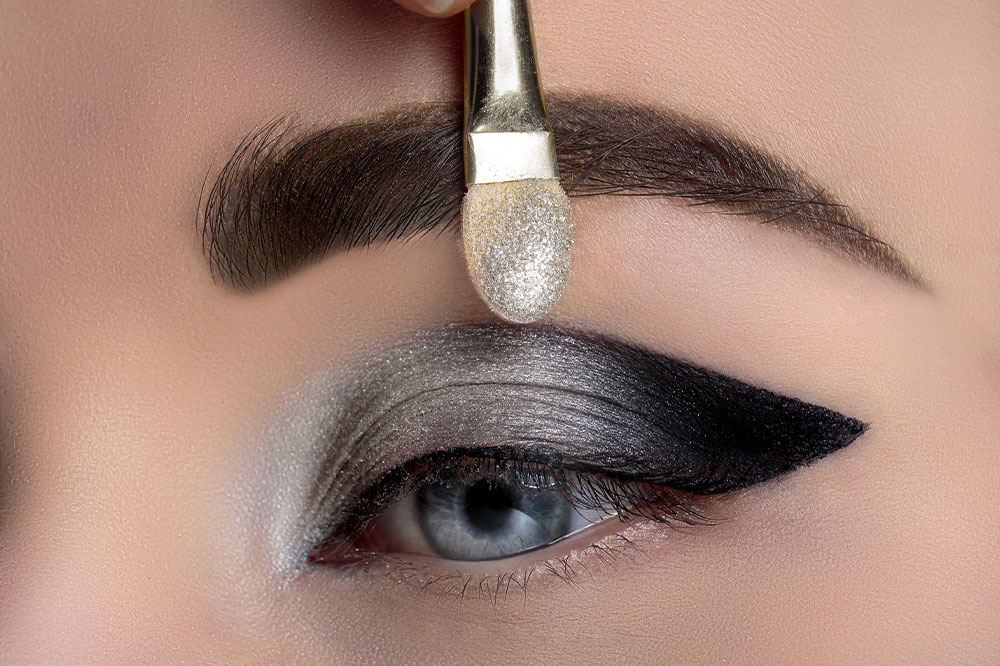
Eye makeup allows you to create various looks, from natural and subtle to bold and dramatic. It can also be a significant tool to accentuate the eyes and overall facial features. For beginners, however, it can be overwhelming to understand the myriad of shades and eye makeup tools and put together a look that suits their attire. To help navigate this challenge, here are a few common eye makeup and grooming mistakes to avoid.
Over-plucking the eyebrows
Eyebrows frame the eyes, and overplucking them can lead to thin and unnatural-looking brows, negatively impacting the eye makeup. Instead, you can groom the eyebrows to maintain their natural shape. Using an eyebrow pencil or powder to gently fill in any sparse areas and create a well-defined arch can complement your eye shape.
Using the wrong brush
Using the wrong brush can lead to an uneven distribution of eyeshadow. Additionally, it won’t help you blend your eyeshadow properly. For instance, fluffy blending brushes are ideal for softening harsh lines and blending colors seamlessly, while flat shader brushes are better for packing on eyeshadow and intensifying pigmentation. You can invest in a set of quality eye brushes and learn their specific uses to enhance the precision of the eye makeup.
Applying dark eyeshadow after doing the base makeup
Applying eyeshadow after foundation and concealer can lead to fallout from eyeshadow particles, ruining your base. This is mainly for dark shades or powdery formulas of eyeshadow. After you apply your eyeshadow, you can clean up any fallout and create a clean canvas for the foundation and concealer applications.
Neglecting the lower lash line
Skipping the lower lash line in eye makeup routines can make the eyes appear top-heavy and incomplete. Conversely, applying a hint of eyeshadow or eyeliner along the lower lash line can add depth and dimension.
Not blending properly
Blending is the secret to a seamless and professional-looking eye makeup application. Failing to blend your eyeshadow thoroughly can result in harsh lines and uneven color distribution, detracting from the overall impact of your eye look. Instead, use light, circular motions to blend different eyeshadow shades, ensuring a smooth transition between colors.
Skipping mascara
Mascara is a makeup essential that adds volume and length to the lashes, making the eyes look more defined and awake. Neglecting to apply mascara can leave the eye makeup incomplete and less impactful. When applying mascara, you should start from the root of the lashes and wiggle the wand upward to prevent clumps and achieve even coverage. You can layer multiple coats for a more dramatic effect while ensuring each layer dries before applying the next.
Curling the lashes after applying liner
When you curl the eyelashes after applying eyeliner, there is a risk of smudging or smearing the liner, leading to a messy and uneven appearance. Additionally, it can cause the lashes to stick to the curler, potentially damaging them. To avoid this issue, you should always curl the lashes before applying eyeliner to ensure that the lashes look naturally lifted and defined.