6 useful dietary tips for a healthy pregnancy
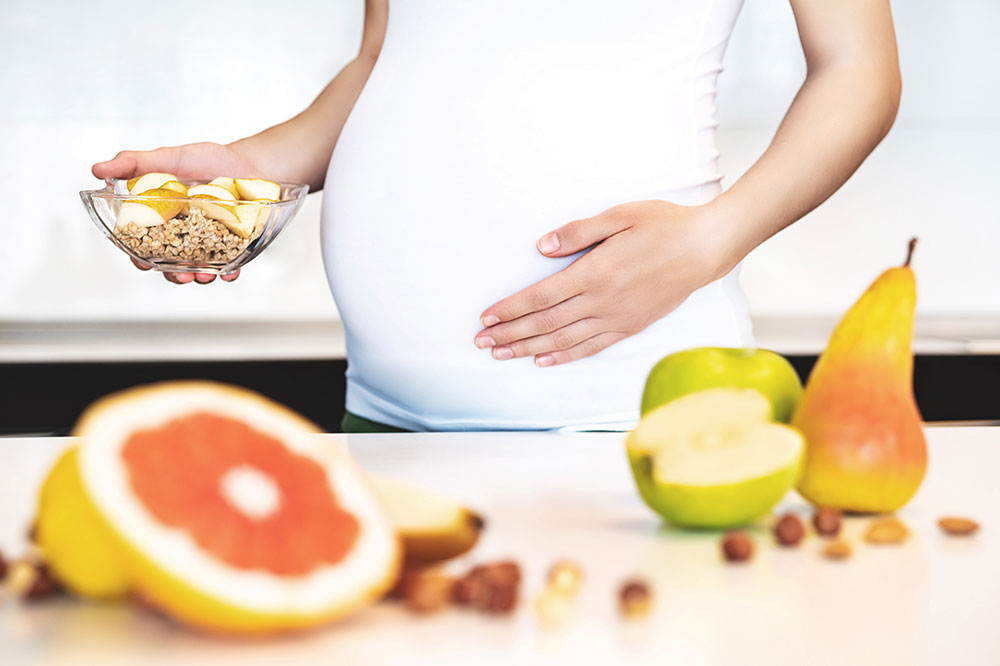
A pregnant woman needs more folic acid, calcium, and iron than usual. However, this does not make it necessary to eat twice. It is a common misconception that a pregnant woman must eat for two people. Making smart and healthy food choices that meet the daily dietary requirement of nutrients is more than enough. All that is required is to fine-tune eating habits so that the mother and the baby get sufficient nutrition for a healthy pregnancy and a healthy baby. Here are a few essential dietary tips for pregnant women.
Never skip breakfast
Breakfast is what keeps one going through the day. Fortified cereal with fruits is often a good option. These cereals are packed with added nutrients, such as folic acid, iron, and calcium. It is recommended to pick cereals with less or no sugar. In case there is morning sickness, and it’s hard to have a heavy breakfast, start the day with whole-grain toast. Then eat something later in the morning.
Pick healthy snacks
Hunger pangs between meals can be easily managed with light, healthy snacks. Fat-free or low-fat yogurt with low or no sugar along with fruits can be a filling snack. Another great option is whole-grain crackers with low-fat or fat-free cheese. Raw veggies, such as celery or carrots, also make for healthy snacking options during pregnancy.
Keep away from raw meats and soft cheese
Raw meat and fish often have bacteria in them. Also, soft cheese may have harmful microorganisms, which can be harmful to the baby. Stay away from raw uncooked fish, such as sushi. Additionally, avoid raw and rare meats. Lunch meats and hot dogs are also not recommended unless these have been heated to steaming hot temperature. When having soft cheese, such as Brie, goat cheese, or feta, make sure these are pasteurized.
Lower caffeine intake
Caffeinated beverages and drinks can do more harm than good during pregnancy. Decaffeinated tea or coffee are healthier options. Furthermore, it is recommended to pick a seltzer or water over soda. Additionally, stay away from alcohol-based drinks and beverages. Alcohol is a strict no-no during pregnancy.
Pick fibrous foods
During pregnancy, irregular bowel movements are bothersome. Eating fiber-rich foods will regularize bowel movements. Also, fiber-loaded foods, such as kidney beans and black beans, provide necessary nutrients. Additionally, include veggies and fruits like bananas, sweet potatoes, pears, spinach, and green peas in the diet. Whole grain-based foods, such as oatmeal, whole-wheat bread, and brown rice, are also good during pregnancy.
Eat dark leafy greens
Dark, leafy green vegetables contain all the nutrients necessary for a healthy pregnancy. Veggies such as broccoli, spinach, and kale are packed with potassium, folate, iron, calcium, vitamin A, vitamin K, and vitamin C. Furthermore, these veggies are rich in antioxidants that strengthen the immune system.