6 unusual triggers for cold sores
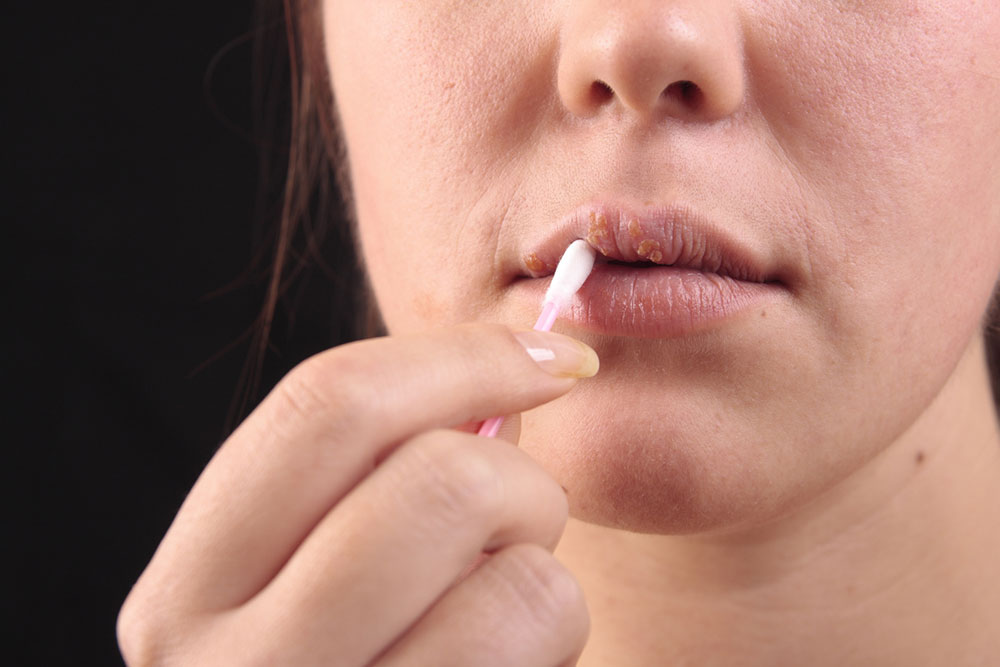
A cold sore is a condition in which individuals develop blisters on or around their lips. These fluid-filled blisters are caused by the herpes simplex virus (HSV), which jumps from person to person through close contact or sharing items like lipstick or utensils. The virus gets activated and flared up by specific triggers every so often, resulting in an outbreak of cold sores. Here are some unusual triggers for cold sores:
Sunlight
The sun triggers some aspects of the herpes simplex virus to cause rabid cold sore outbreaks. The sun’s UV rays inflame and irritate the skin if exposed for too long. People with cold sores will suffer the irritation and inflammation caused by UV rays in the form of blisters in and around their lips. UV rays tend to suppress an individual’s immune system and activate or awaken the dormant elements of cold sores in some people.
Apart from UV rays, freezing temperatures can also trigger blistering by drying up one’s lips. All in all, if an individual has cold sores already, they must avoid being exposed to the sun constantly.
Fatigue
People with cold sores who are exhausted or rundown are more likely to experience flare-ups of the condition. Research has found that feeling exhausted or “run down” allows the cold sore virus to reactivate in peoples’ bodies. When people are tired, their immune system gets taxed more than usual due to their flailing energy reserves. This presents a golden opportunity for cold sores to flare up as the immune system is compromised momentarily due to an individual’s exhaustion.
Stress
Experiencing prolonged periods of stress can temporarily weaken a person’s immune system. These immune system changes can unintentionally trigger blister formation and cause flare-ups associated with cold sores. Additionally, anxiety and depression can serve as lesser-known triggers of cold sores for those with this condition.
Hormonal changes
The sharp rise and fall in hormonal levels tend to cause cold sores in people. This is why women with cold sores may experience flare-ups during, before, or after their menstrual cycles when their hormonal levels are most volatile.
Weakened immunity
Immunocompromised individuals with cold sores will likely get flare-ups or blister outbreaks due to their unreliable immune responses and weak immune systems. In this sense, cold sores will become symptoms of other, bigger health issues in their bodies.
Certain foods
Arginine-heavy foods such as meat, chocolate, beans, and dairy trigger cold sores in many people. Several medical studies have found a close link between these foods’ HSV elements and arginine. The HSV entities use arginine to replicate themselves and become more aggressive. Therefore, people living with cold sores must avoid foods and beverages rich in this compound at all costs.