6 tips to help manage fleas and ticks in dogs
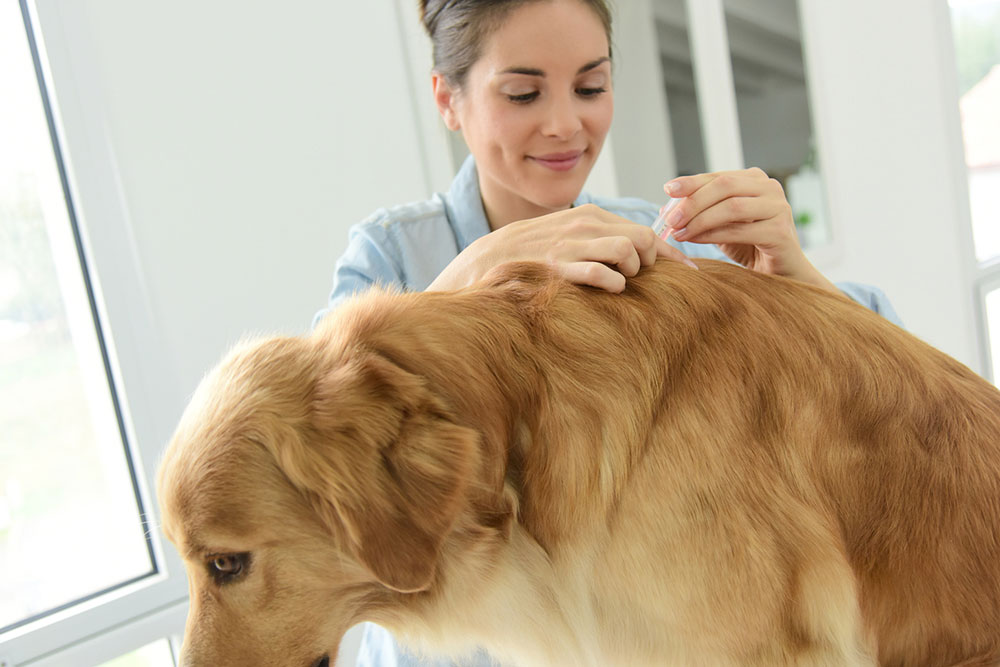
Besides ensuring adequate food and nutrition for pet dogs, grooming and preventing skin and fur conditions are essential to their overall health and well-being. Ticks and fleas are increasingly common among dogs and require immediate attention to prevent such issues from escalating. Specific quick remedies to treat ticks and fleas are highly effective, helping treat such conditions effectively. This article lists some quick tips to treat ticks and fleas:
1. Use a lemon juice solution
Lemon is a natural flea repellent and can effectively kill ticks and fleas. Mix four slices of fresh lemon juice with six cups of water and some salt to prepare a solution. Allow this mixture to steep for an entire day before applying it to the dog’s fur and washing it. The mixture should be applied every day for the best results.
2. Apply essential oils meant to treat ticks and fleas
Certain essential oils, such as lemongrass, peppermint, rosemary, and cedar, may repel ticks and fleas. These oils can be added to a dog’s shampoo or brushed into its coat. However, it is important to consult a veterinarian before applying or spraying essential oils on flea or tick-infected areas.
3. Apply vinegar solution
Vinegar may help manage existing flea and tick infections in dogs and prevent further infestations. Pet owners may prepare a vinegar solution by mixing a cup of white or apple cider vinegar with some dog shampoo and applying it to the dog’s coat while bathing it.
4. Give the dog regular warm water baths
Bathing a dog in warm water can help prevent and manage flea and tick infections effectively. One should use an anti-flea-and-tick shampoo to massage it over the dog’s coat gently but thoroughly. Such baths should be given approximately twice a day for the best results.
5. Use a flea and tick spray
Flea and tick sprays should be sprayed on dogs’ coats twice a day and massaged into their skin to reach the affected areas. The dog’s coat should then be allowed to dry completely before proceeding with other grooming practices. It is recommended to consult a veterinarian before using these sprays and check for any additional skin conditions or sensitivity the dog may have.
6. Follow prevention measures
Prevention measures like spraying diatomaceous earth and keeping the surroundings clean and hygienic are essential to prevent further flea and tick infestations and accelerate the dog’s recovery. In addition, one should consult a veterinarian before using any products meant to treat ticks and fleas and ensure good health and nutrition while the dog heals from the condition.