6 mistakes to avoid for better illumination at home
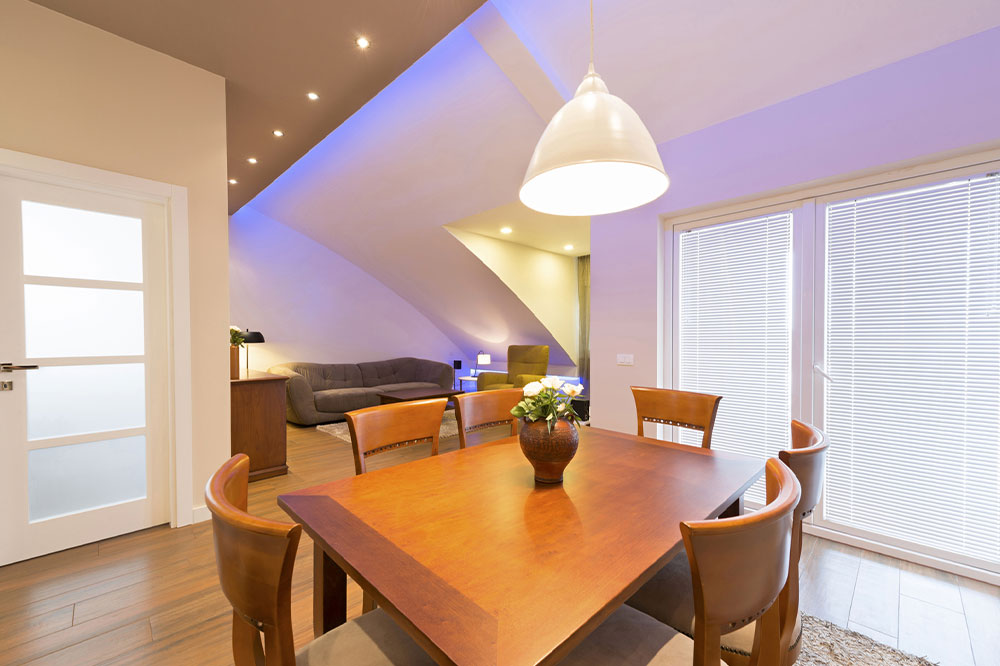
A lot goes into remodeling or enhancing the interiors of a home, one of which includes the installation of lights. These come in a range of shades and shapes, which could help define each area of your home. However, it’s important to be mindful of where you place your lights to avoid making your home look uninviting. If you have decided to spruce up the lighting inside your home, here are six mistakes you should avoid.
Buying the wrong fixtures for a room
While you might want to install fixtures like pendant lights and chandeliers to complement a particular space, it might be too big or too small for that region. For example, a hanging oversized light might be excessive for a small to medium space but perfect for a larger room. Before purchasing or installing a fixture, measure the ceiling height and square footage.
Installing a bright overhead light
Several people believe installing a bright overhead light is a great way to illuminate the space around it. But if the light is unnaturally too bright, the area could feel harsh or uninviting. If you prefer brighter lights, pick warmer tones. Furthermore, cover light bulbs with shades to diffuse the light across the room. Experts also recommend picking lumen ratings between 800 and 2,000 for a more relaxed lighting atmosphere.
Neglecting the dimmer
Installing a dimmer is one of the most practical elements people miss out on. The switch is an ideal way of controlling the brightness level in each room to suit the mood. This way, you could install a bright overhead light and reduce its intensity when you desire. Dimmer switches are also energy efficient since you can lower the voltage and consume less electricity. Using dimmers could also enhance the life of the lights at home.
Not positioning lamps at the right height
While lamps add charm and warmth to a space, they can do wonders when placed at the right height. Placing them at an inappropriate height could make the room look dull. You could place a table lamp on a table or sideboard that matches the height of a floor lamp. Experts also recommend placing floor lamps to the side of an armchair or next to a television. Doing so could help curb glare and soften contrast when watching a movie.
Insufficient lighting in small space
Many individuals overlook their pantries and closets when it comes to their home lighting plans. These spaces are usually lit with a single overhead light. However, this creates shadows on shelves and storage spaces, which could make finding things quite challenging. You could improve the illumination in these regions with under cabinet lights or even something as simple as LED tape light. These will make navigating such spaces easier and make them appear chic.
Not picking energy-efficient options
While traditional lights might give your home a classy look, it is also important to save on electricity. Therefore, you should look into energy-efficient options such as CFLs and LEDs that could mimic the effects of incandescent lights but sans the higher power bills.