6 foods to eat that help with blood clotting
Blood clotting is a vital process that helps prevent excessive bleeding when a person suffers an injury. However, when blood clots form unnecessarily, they can cause serious health issues such as deep vein thrombosis and stroke. But did you know that certain foods can help support healthy blood clotting? In this article, we’ll explore six delicious and nutritious foods that help with blood clotting and keep the blood flowing smoothly.
Leafy greens
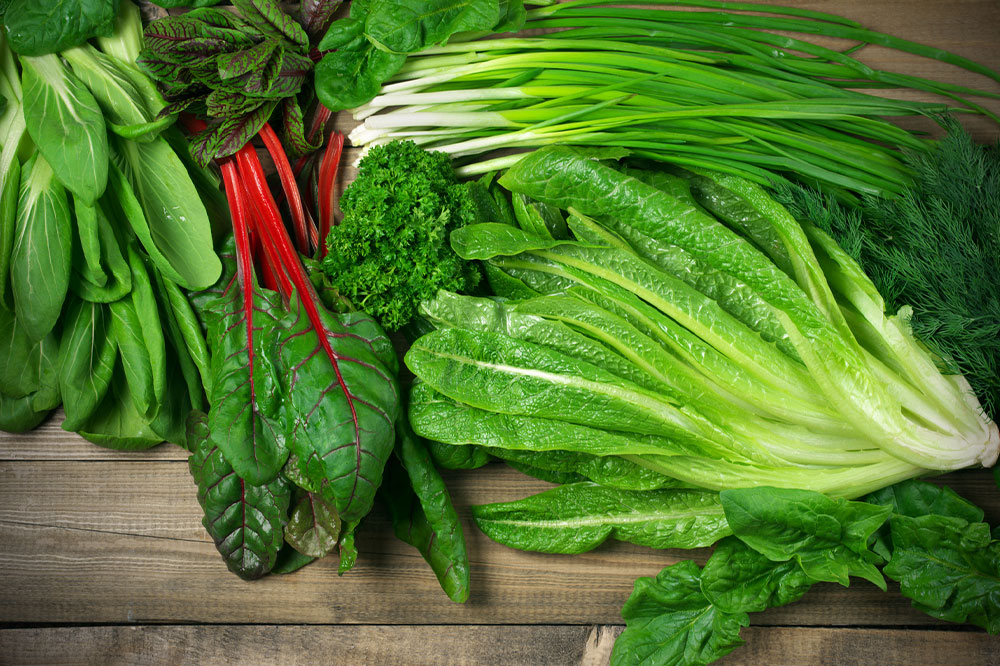
Leafy greens are a great source of vitamin K, which is essential for blood clotting. Vitamin K activates proteins involved in the blood clotting process. Examples of leafy greens high in vitamin K include kale, spinach, and collard greens. Incorporating a few servings of leafy greens into one’s daily meals can support healthy blood clotting.
Fish
Fish, particularly fatty fish such as salmon, are high in omega-3 fatty acids that can prevent blood clotting when it should not clot, but also help the blood clot when it should clot. Omega-3 fatty acids reduce inflammation, contributing to blood clots in the body. Examples of other fish high in omega-3s include tuna and sardines. Adding fish to one’s meals a few times a week can support healthy blood clotting.
Nuts and seeds
Nuts and seeds are also great foods that help with blood clotting . They are high in vitamin E, an antioxidant that protects cells from damage. Vitamin E helps to reduce the risk of blood clots. Examples of nuts and seeds high in vitamin E are almonds, sunflower seeds, and hazelnuts. Incorporating nuts and seeds into one’s meal plan as snacks or toppings for salads and oatmeal can support healthy blood clotting.
Citrus fruits
Citrus fruits are a great source of vitamin C, which helps to keep blood vessels healthy and reduces the risk of blood clots. Examples of citrus fruits high in vitamin C include oranges, grapefruits, and lemons. Consuming citrus fruits as snacks or in smoothies can support healthy blood clotting.
Garlic
Garlic contains allicin, which helps to reduce the risk of blood clots and improve blood flow. Allicin has been shown to prevent the formation of blood clots. Incorporating garlic into meals is a great way to support healthy blood clotting.
Turmeric
Turmeric contains curcumin, a compound with anti-inflammatory properties. Inflammation can contribute to the formation of blood clots, so reducing inflammation can help prevent blood clots. Turmeric can be added to dishes such as curries or used to make a soothing turmeric latte. Additionally, turmeric has been used traditionally for centuries to treat various ailments. Curcumin in turmeric has also been found to have antioxidant properties that lower the risk of chronic diseases and protect against cell damage.
Summing up
Incorporating these six foods into daily meal plans can support healthy blood clotting and reduce the risk of sudden blood clots. Leafy greens, fish, nuts and seeds, citrus fruits, garlic, and turmeric are all great options to include in one’s meals. Ensuring a balanced meal with these foods can help maintain overall health and reduce the risk of serious health issues.