6 food sanitation mistakes with easy fixes
Cooking a delicious and nutritious meal for oneself, family members, or friends can be enjoyable. However, despite taking measures to ensure the cooked meal is safe for consumption, a simple cooking error can contaminate the food, causing food poisoning, paralysis, and other complications. These mistakes could be as minor as using the wrong spoon or touching a bacteria-filled surface. Therefore, one must be aware of these six food sanitation mistakes and how to fix them.
Not cooking foods thoroughly
Foods such as chicken, seafood, turkey, and eggs should not be consumed raw. Undercooking these food items can result in germs getting into the system and triggering health complications. Therefore, it is recommended to use a food thermometer to ensure the right temperature is reached before eating any meal.
Poor hand sanitation
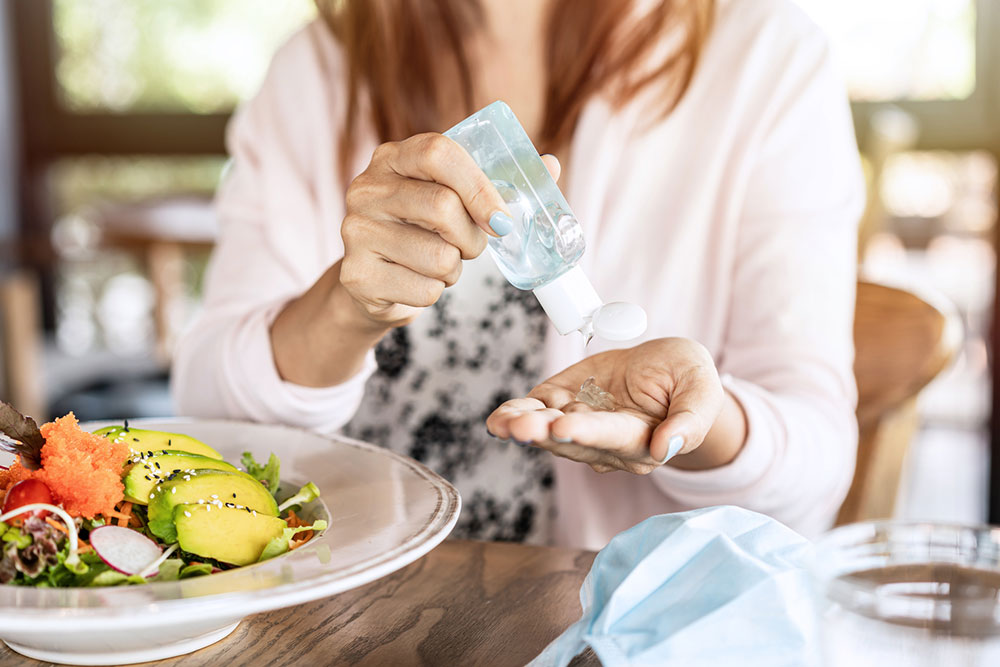
Our hands may come in contact with various surfaces throughout the day that are usually infested with germs. These germs can be transmitted to our palms. Therefore, cooking meals without washing hands can infect the food and pose health risks. It is important to always wash your hands before eating or cooking, and even when changing a diaper. The best way to wash hands is to scrub them thoroughly with soap and water for at least 20 seconds. It is also recommended to wash hands during and after meal preparations, especially when dealing with raw meats.
Washing raw poultry before cooking
Many people tend to wash raw poultry before cooking them. The poultry may contain various bacteria, including campylobacter, salmonella, and Clostridium perfringens. So, washing it could cause the germs to spread to utensils, countertops, and other surfaces, which could easily contaminate other foods. Instead of washing raw poultry, one should heat the poultry to an internal temperature of about 165 degrees F to eliminate any potential bacteria.
Reusing utensils/equipment while cooking
Another common food sanitation mistake is using the same utensils from the beginning of the cooking process to the end. The bacteria from raw meat could easily get carried onto the same utensils, which could then latch onto cooked meals. One should use fresh utensils when dealing with cooked meals. If the same utensils are required for use, one must ensure to wash them thoroughly to eliminate germs and bacteria.
Handling spices when preparing uncooked foods
Homeowners tend to reach for spice containers when preparing raw foods and meat. Experts indicate that spice containers might get cross-contaminated from the uncooked food handled with the same hands. Moreover, if these containers go back into the cabinet unwashed or if one touches them again, it could heighten the risk of germ transfer.
Leaving food out at room temperature
Leaving food out on the countertop to marinate or thaw is a common practice, but it comes with a risk. If food sits out for too long, it may allow bacteria like Staphylococcus aureus and Salmonella enteritidis to grow rapidly and infect the dish. Consuming this dish can cause severe health complications, including food poisoning. Therefore, it is recommended to marinate and thaw food in temperature-controlled environments that meet FDA Food Code temperature guidelines.