6 common mistakes to avoid with pellet grills
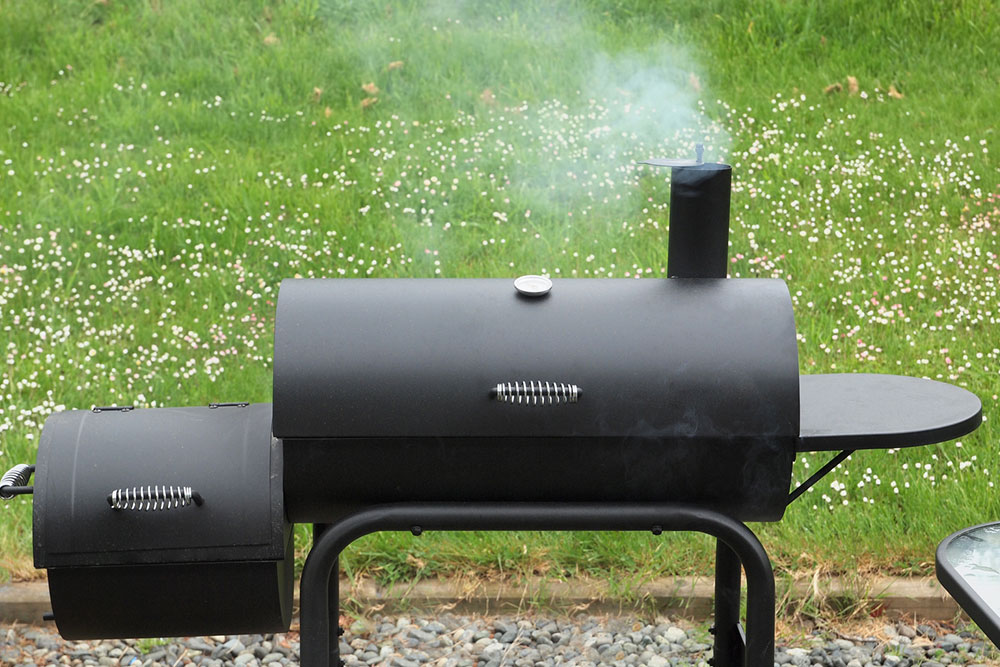
A pellet grill is an ideal addition to the backyard cookout gear. The grill can be used to make several delicious recipes, including tender spare ribs and smoked salmon. But, to get the most out of the grill, one should be able to use it as intended. Many may use the appliance incorrectly, which could affect its functionality. So, here are the common mistakes to avoid while using pellet grills:
1. Being impatient
Preparing a meal with a pellet grill will take longer than a typical grilling routine. However, beginners might feel impatient and open the lid midway to see if the food is ready. As a result, heat may escape the grill and leave one with undercooked food. To avoid this issue, one should let the pellet grill take the time it needs. If one gets antsy, they could focus on another activity while the grill does its job.
2. Forgetting to preheat the grill
A pellet grill needs some time to reach the optimal temperature, and placing raw food on a cold grill could result in a dry or undercooked meal. Additionally, a pellet grill may produce harmful smoke while it heats up. So before starting the cooking process, one should let the grill heat for a bit first and wait for the smoke to escape so that it does not mix with food.
3. Buying a cheap grill
Various manufacturers might offer a pellet grill for unbelievably low prices. While getting such appliances will help one save money, one may end up with a grill made using inferior materials. Such grills may also add unpleasant flavors to the food. So, one should consider assessing the quality of the grill. Top-notch pellet grills can help one whip up delicious, safe-to-eat meals and also help save money on repairs—a recurring issue observed in poor-quality grills.
4. Lack of maintenance
A pellet grill requires frequent maintenance. Leaving it dirty will result in charred food particles mixing with raw food, which may affect the taste and quality of the cooked meal. Further, one must clean the firebox regularly to prevent ash buildup. Regular maintenance can help one get the intended results while cooking.
5. Not letting the food rest once cooked
Once cooked meat comes off the grill, one may want to dig into it immediately. However, depending on the cut, type, and size of the meat, one should let it rest for 30 to 45 minutes. When meat is cooked, the moisture on the outside evaporates, while that on the inside gathers at the center. Letting the meat rest could help the juices naturally spread out.
6. Ignoring manufacturer recommendations
Each pellet grill is different and has specific manufacturer recommendations for ideal usage. Ignoring them would be a mistake, as the instructions may mention the safest ways to use the grill. For instance, some manufacturers suggest starting the grill with the lid open to avoid potential pellet explosions during the ignition. One should follow these instructions to ensure safety.