6 common cycling mistakes to avoid
Starting a new hobby is quite exciting, especially one as fun as cycling. But we may forget important details in the rush with equipment to purchase, routes to map out, and rules to follow. These may be due to a lack of knowledge or experience or overconfidence. However, just like other hobbies, there is a learning curve to the world of cycling. Here are six common cycling mistakes beginners make and how to avoid them:
Looking for extremely specific equipment
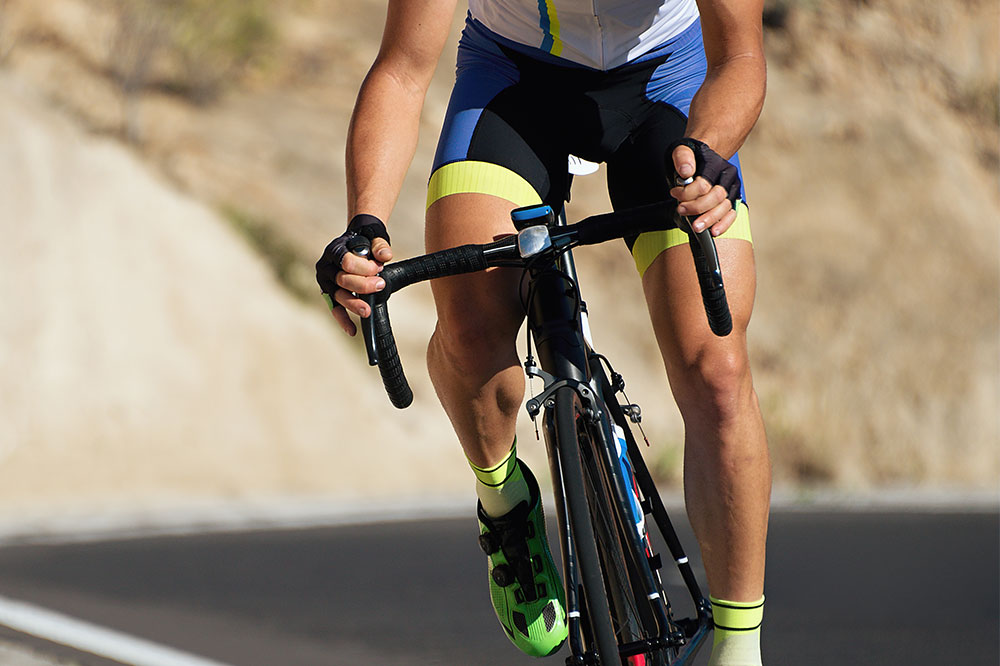
It is great to have stylish equipment, but the lack of ideal clothes or accessories shouldn’t stop you from exploring cycling as a hobby. While high-waisted padded cargo bike shorts and padded bike liner shorts guarantee comfort during cycling, options like Spanx® shorts, spandex shorts, or baggy shorts also offer comfort and support. The most important things are a sturdy bike and a sturdier helmet.
Cycling without a helmet
Bike helmets are crucial at all times. They can be found at most local stores, with advice on how to choose the right one. Ensure that you wear it correctly and put all the buckles in the rear.
Not knowing your limits
As with any new hobby, it is important to test the waters. Try to take one step at a time to make regular progress. For instance, professional cyclists generally begin with low-intensity rides to gradually get in shape during every training season.
Not carrying spare parts and tools
Carry a saddle bag or tool storage bottle on your bike at all times, so you don’t get stuck. Ensure you keep 1-2 inner tubes, two tire levers, two glueless patches, a pump or CO2 cartridges, a multi-tool with a chain breaker, and some money in your tool kit. It is advisable that you learn how to fix a flat tire before embarking on your first bike ride.
Not eating or hydrating enough
Cycling is a physically demanding activity, and it is possible that you feel fatigued or lose energy en route. Make sure you carry some snacks and a bottle full of water when you go out to cycle, so you can refuel your body when needed.
Not checking the weather forecast
If you’re planning to cycle for a long period, make sure you check the weather forecast before you begin, so you’re armed with the right clothes. If the clothes you are wearing are not warm enough, you may get cold on your journey. During the winter, layer your clothes so you can add or remove them as needed. For the rest of the year, carry a windproof cycling vest, cycling arm warmers, and a pair of cycling socks with you.
Before beginning your cycling journey, check the bike – this includes the brakes, the tire pressure, and the chain lubrication – to make sure that everything functions properly. This will be key to having a smooth, comfortable, and enjoyable riding experience each time.