6 beard grooming mistakes to steer clear of
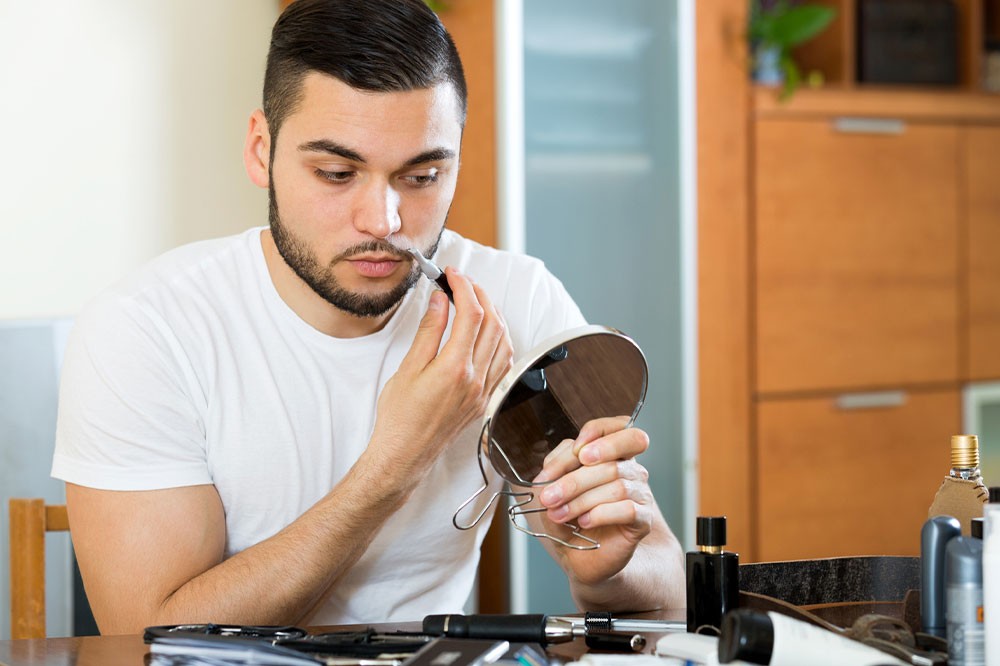
Fashion plays a vital role in everyone’s life through clothing, accessories, or grooming methods. And for men, their facial hair can significantly alter their appearance. But keeping a beard is not an easy task. So, it is essential to avoid grooming mistakes to achieve a neat look. In this article, we will highlight some of the most common beard grooming mistakes and provide practical tips to maintain a dignified appearance.
Top beard grooming mistakes to avoid
Caring for your beard requires just as much attention as caring for your scalp hair. However, some of you may make mistakes that may harm the former. To avoid this, here are some common beard grooming mistakes to steer clear of.
Not trimming regularly
Did you know that beards grow faster than any other type of hair? As a result, it’s essential to trim them regularly to avoid a scruffy and unkempt appearance. Not only is an untrimmed beard unclean, but it can also be detrimental to your beard’s health. Luckily, with the help of a beard trimmer and scissors, you can achieve a well-groomed look in no time.
Combing inappropriately
It is essential to comb your facial hair to maintain its shape regularly. However, excessive combing of a wet beard can cause significant damage. To avoid this, combing when the hair is dry is recommended.
Not maintaining beard hygiene
To make your beard grow all-natural, using beard products are worth a shot. Beard washes, and conditioners can prove helpful as they preserve natural face oils and provide hydration to the skin underneath.
Not applying beard oil or moisturizer
For those with a well-grown beard, besides washing and combing, it’s essential to incorporate beard oils into your regime. These oils moisturize and soften the natural strands on your face to prevent them from becoming rugged, unkempt, and ridden with dandruff.
Inefficient shaving
Proper shaving techniques play a significant role in maintaining your beard’s growth and appearance. Overshaving your cheeks can lead to uneven hair growth, negatively impacting your facial look. Additionally, many men tend to shave too high on their necks, which can cause problems. If you find the tiny hairs on your neck irritating, consider trimming instead of shaving.
No sideburn transition or blending
A common mistake among men is to blend their sideburns into their beards without creating a clear separation line. This can result in an uneven and unattractive appearance. Maintaining a hardline between the two is imperative to keep your mane looking its best.
Take your time when grooming your beard to avoid mistakes. Regular care through washing, trimming, oiling, and combing will keep it looking professional and healthy. Dedicate a few minutes regularly to maintain a neat appearance.