5 mistakes to avoid when buying lab-grown diamonds
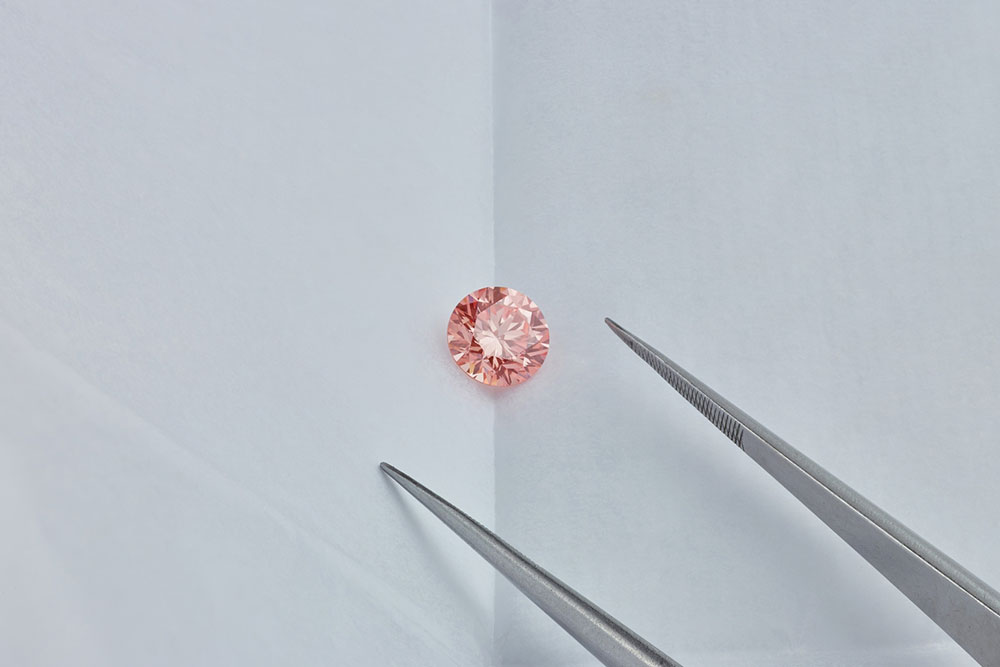
Diamonds are a popular gifting option. However, natural ones are usually expensive and may not be procured through ethical mediums. So, the ideal solution for most individuals is to purchase lab-grown ones. However, most buyers may be unable to tell the difference between those mined naturally and a lab-created diamond, which could lead to spending on something they do not want. Here are six such errors one should avoid for a seamless purchase.
Skimping on research
Buyers who rush into a diamond purchase may not get the best value for money. One should ensure sufficient research before buying a diamond online or in a store. The buyer should understand the shape, size, and carat weight required. Additionally, one should set parameters, such as the budget and the style they want to buy. Thorough research ensures that one is knowledgeable about what one wants, which may help reduce the chances of getting scammed by a seller.
Overlooking the 4C’s
No two diamonds are the same. Therefore, the price or value of each is determined by the 4C’s. Not being well-versed with or overlooking this determining factor could result in poor identification of a lab-grown one. It may also result in one spending on an inferior product. The 4C’s stand cut, clarity, color, and carat.
Not asking for a certificate
Artificial diamonds are graded and certified by certification institutions such as the International Gemological Institute, GIA, and GCAL. If a diamond isn’t certified, one should refrain from buying it. A diamond assures proper grading of a lab-grown diamond against the 4Cs. The certificate will also protect bytes and sellers by stating that the loose one meets the required quality and standard.
Purchasing from an unknown source
Those who purchase diamonds from an unknown source or unethical sellers and brands might get into a tight situation. While this may help save money, the individual could be misguided, cheated, and misled during the purchase. One should purchase from a reputable diamond seller in business for several years. Though it may cost more, one will get the money’s worth. Additionally, whether buying from a new or an older seller, one should always check the history and credentials of the lab diamond seller before making a purchase.
Falling for heavy discounts
Diamond sellers may offer massive discounts on various pieces, which can be tempting. However, one should remember that the lower price is often because the gemstone is of poor quality, while some might be fake. Buyers should remember that the price of a diamond usually drops during festivals and seasonal sales. One ought to stick to the original rate set according to the 4Cs to get the best man-made diamond for the price they pay.