5 healthy diet tips for diabetes patients
Leading a healthy life when suffering from diabetes can be challenging, especially with diet restrictions. Reports suggest that diabetes has now attained epidemic proportions. Some very severe consequences of uncontrolled diabetes include kidney and heart diseases and other health complications. Therefore, while it is frustrating to be watchful of everything you eat, it is also necessary.
Considering that diabetes is associated with blood sugar and insulin levels, it’s necessary that one is always aware and takes care of their insulin and sugar levels. One of the easiest ways to do that is by following a rigid diet and eating right. However, avoiding everything is not the answer here, the simplest way of eating right is by making healthy food choices. Here are some diet tips to help you eat right and manage your diabetes.
- Carbohydrates can be healthy
All types of carbohydrates directly affect the levels of blood glucose in your body. Therefore, it is important to be aware of foods that are rich in carbohydrates. However, with controlled portions, and healthier carb sources, there is no reason for anyone to give up carbohydrates completely. Substitute whole grains in your meals in place of processed grains for a much healthier diet.
- Lower salt intake
Diabetes makes one’s body susceptible to secondary health issues. Higher salt intake can be a high-risk gateway for heart diseases, and having diabetes makes one more vulnerable. Sticking to a recommended 6-grams of salt intake a day lowers these risks. This requires checking the salt content of packaged and preserved foods as well.
- Avoid red meat
Swapping chunks of carbs in favor of proteins for diabetics is okay. But, swapping carbs with red and processed meat for proteins is not. Red and processed meats are linked to higher risks of cardiac diseases, which makes them a strict no-no. It is suggested to stick to white meat or veg protein sources. Fishes and other omega-3 rich foods are a healthier source of protein and have been proven to supplement health.
- Stock on natural
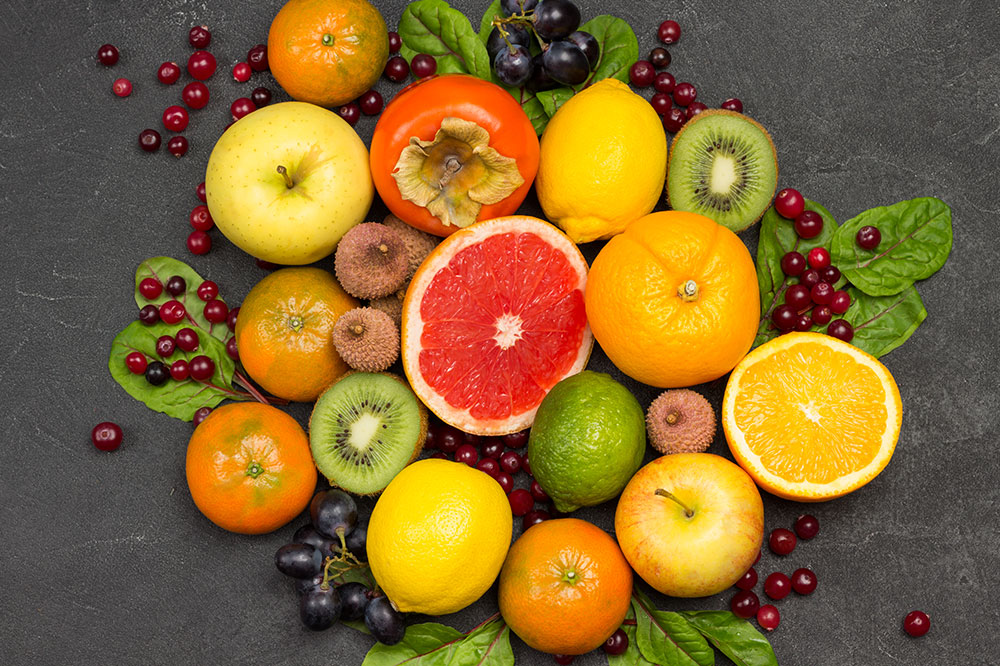
Supplying the body with the required amounts of vitamins and minerals from natural food is always a better option than supplements. Also, contrary to popular belief, fruits aren’t bad for people with diabetes. On the other hand, when eaten whole, its fiber content and vitamins are good for your health.
- Healthier fats
Fats aren’t bad; but similar to everything else in the list, it is bad sources of fat that should be avoided. The ill-effects of bad sources and excessive fat intake are pretty well known. Hence, substituting it with healthier sources of fat is the smart way to a healthy diet.
The right way of making healthier diet changes is by consulting one’s doctor and dietitian. It can be a trying process, but remember that persistence is the key to a better and healthy tomorrow.
Insulin shots are a common treatment to control diabetes. Using thin and short pen needles like BD Ultra Fine Needle make it less painful and intimidating for patients. BD’s nano 4mm options use EasyFlow™ and PentaPoint™ Comfort technologies that improve insulin flow in the body.