5 gout triggers to avoid at all costs
Gout, a form of arthritis, affects joints where it causes an almost unimaginable level of pain. The suffering is so nasty and awful that even the slightest of touches to the affected area can feel as if a bulldozer landed on it. Although movement remains one of the biggest triggers of gout pain, there are other factors that are just as responsible for its occurrence.
Aspirin and other medication
It is essential to understand the root of this illness to understand how medication and any other entity, for that matter, triggers gout pain.
Gout is caused due to the buildup of uric acid in the bloodstream. Uric acid is formed due to the breakdown of purine — a chemical compound found in almost all foods and drinks. The kidneys usually excrete uric acid through urine, but sometimes due to its excessive accumulation, it deposits in joints where it forms needle-like structures and causes pain and inflammation.
Despite being good for the heart, aspirin increases the amount of uric acid in the blood. Even low doses of aspirin can trigger gout pain, which is more common in women than men.
Diuretics can likewise have a similar effect, decreasing the kidney’s ability to remove uric acid and increasing the risk of gout. Some common diuretics drugs include hydrochlorothiazide, metolazone, and chlorothiazide, among others. Cyclosporine, ACE inhibitors and chemotherapy drugs, meanwhile, also increase the risk of gout pain.
Obesity
Besides opening the potential for so many other ailments, obesity substantially increases the risk of gout. Excess weight increases the uric acid concentration in the blood, which directly leads to gout. The presence of more fat and possible increase of insulin in the body could produce more uric acid. Kidneys, meanwhile, may find it hard to remove the excess uric acid in overweight individuals.
Purine-rich foods and drinks
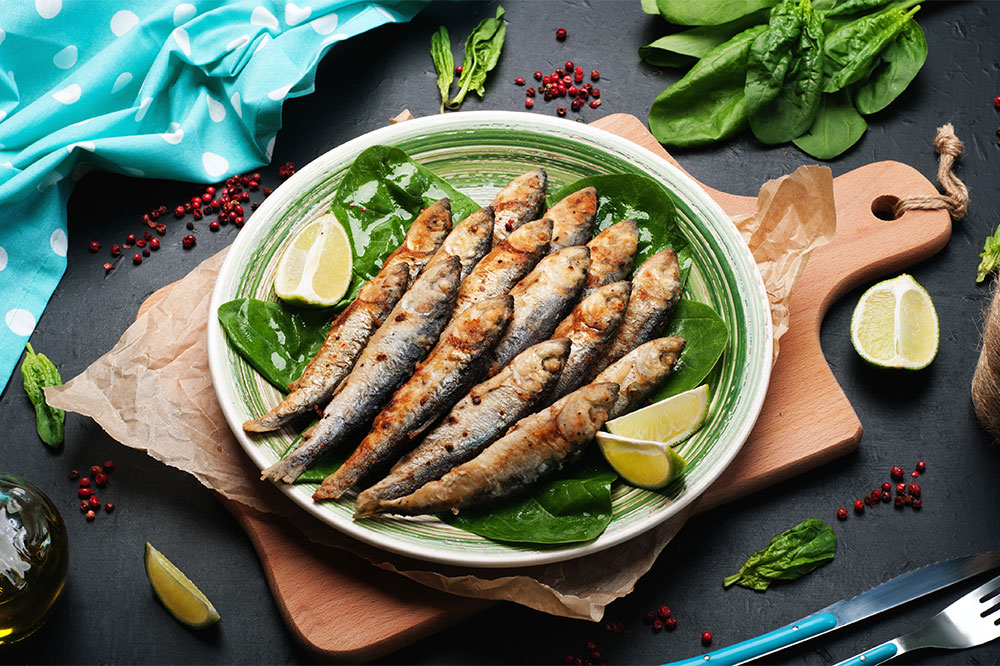
While purines are a natural substance and aren’t all bad, its intake should be limited, given uric acid, its byproduct, is the central cause of gout. Foods such as organ meats, salmon, sardines, bacon, mutton, turkey have high purine content and should be avoided. Sugary beverages and alcohol, too, are rich in purine and must be limited.
Dehydration
Never good for the system in general, dehydration also leads to gout. This happens because of an increase in blood uric acid concentration, with kidneys unable to eliminate the uric acid from the body. Drinking around six to eight ounces of water is recommended at the least to avoid the risk of gout.
Wrong shoes
While gouts can affect any joint, it is more common around the big toe. Hence, wearing the right shoes is key to avoiding gout pain. Even the slightest rub or pinch to the concerned area can set off the attack. Shoes that are confiding should be avoided, while women should opt for ones that have lower heels.