5 early warning signs of heart disease
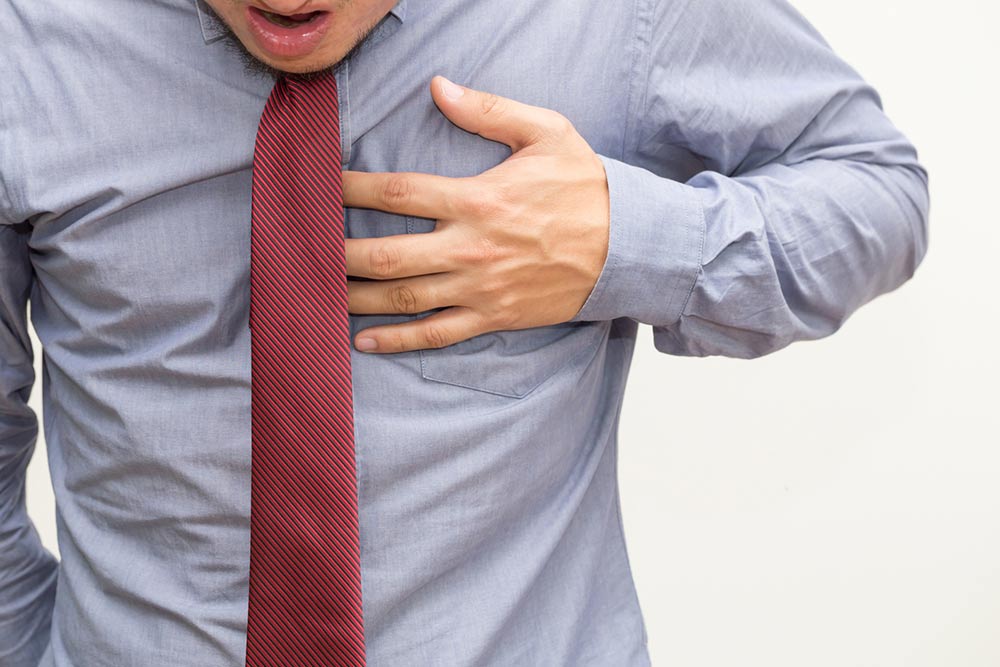
While not all heart problems have clear symptoms, many of them are often preceded by a series of early warning signs. Being aware of these early signs can be useful in seeking diagnosis and treatment on time. This is crucial since most heart diseases can be easily avoided if detected and treated before the symptoms become too severe. Those with increased risk factors need to keep an eye on these early warning signs of heart disease.
1. Experiencing pain in the chest
Most people often have chest pain, which is one of the most common early warning signs of heart disease. It is not just an oncoming heart attack that causes severe chest pain, but many other heart-related problems. For example, a person may feel a shooting pain in their chest when they exert themselves. However, the pain may go away when they are at rest. This is usually a sign of angina. Whenever one experiences chest pain along with the feeling of extreme unease, it is best to consult a doctor as soon as possible.
2. Feeling nauseated
Nausea can be an early sign of a lot of health problems. Yet, many people ignore it, assuming it will go away. While nausea caused by mild health issues like indigestion does resolve on its own, it can be a cause for concern if severe pain in the chest accompanies it. Even if one is feeling mild pain on their left side along with feeling nauseous, it can be indicative of a heart disease.
3. Sweating excessively
It is pretty normal to sweat while doing a physically exerting activity, such as working out, or when the weather is quite hot and humid. However, if one starts to sweat without any reason, along with feeling pain in the chest, it’s time to pay attention to their heart health. In such situations, it is best to immediately consult a primary care doctor and undergo any tests that are recommended to find out if there’s an underlying heart disease.
4. Experiencing pain in the left arm
Usually, many people do not associate pain in the arm with heart disease. Yet, it is one of the most common early warning signs to get the heart checked. Paying attention to the pain that shoots up and down the left arm is especially important. Often, it is an indicator of a heart attack. Sometimes, the pain may radiate to the entire left side of the body, starting from the left arm.
5. Feeling tightness or pain in the throat or jaw
Most of the time, pain in the jaw or throat is caused by a sinus issue, a muscular problem, or a cold. It is rarely associated with any heart disease. However, the pain in the jaw or throat and a feeling of tightness in the chest can be signs of heart disease.