5 common window replacement mistakes to avoid
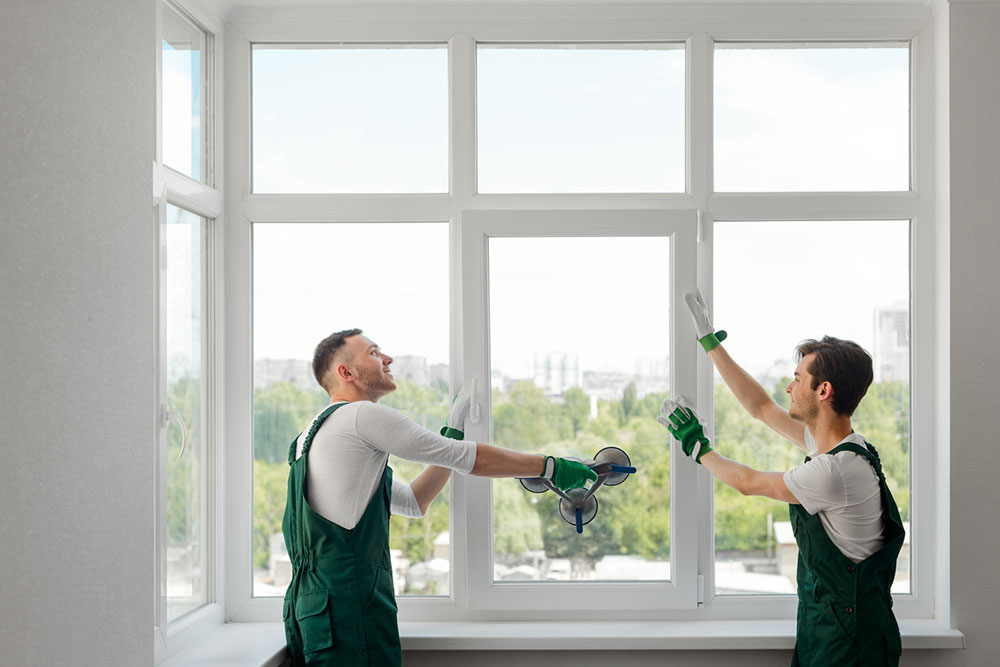
Many people think that replacing windows is a simple, DIY task. It is only after beginning the process that they realize how difficult it is. When replacing windows, one must consider several factors, such as safety, materials required, and cost. Therefore, it is wise to hire a contractor to handle the task from start to finish. If someone decides to replace their windows, they should steer clear of these common mistakes.
Buying cheap windows
One can find a variety of windows in the market at different price points. However, homeowners often invest in cheap products to save money, which can be a big mistake. Poor-quality windows usually do not last long and may require repairs sooner than expected. This means individuals may have to spend more in the long run. When purchasing new windows for the house, one must read reviews online and seek the opinions of friends, family members, and acquaintances. Doing so helps make informed decisions when choosing a product.
Replacing old windows with the same type
It is always advisable to select windows that are made using the latest technologies and feature efficient designs and finishes. Newer types of windows help users save energy, improve comfort levels, and reduce maintenance costs that they may otherwise incur with older models. While purchasing windows for their workplace or homes, people must ensure the product has the following features:
Energy Star certification
Low-maintenance exterior (made of fiberglass or vinyl)
Wooden interior for painting or staining
Tilt-in capability for easy cleaning
Low-E coating on glass windows
Double- or tripe-pane build structure
Argon or krypton gas between multiple panes
Warranties and guarantees
Replacing windows DIY
As implied earlier, window installation or replacement requires a lot of skill and relevant knowledge. It is not something one can simply pick and do themselves. Individuals can make mistakes and increase the risk of safety hazards if they pursue the project without prior experience. For example, one may make sealant, glass, or insulation-based mistakes, which are often irreversible. Hiring an experienced, credible, and reputable contractor to replace windows is highly recommended to avoid making a mess.
Choosing the wrong kind of windows
When shortlisting windows for the house, individuals should consider their options carefully. Purchasing off-brand windows is a bad idea due to reliability and credibility reasons. One must consider factors like the variety of finishes available and their home’s design before zeroing in on the “right” type of windows.
Ignoring energy efficiency
Windows absorb a lot of energy from their surroundings. They also play an important role in maintaining a well-insulated living space. Therefore, one must purchase high-efficiency windows that prevent the loss of heat and other forms of energy. These windows help save money and prevent energy wastage in homes.