5 common dishwasher mistakes to avoid
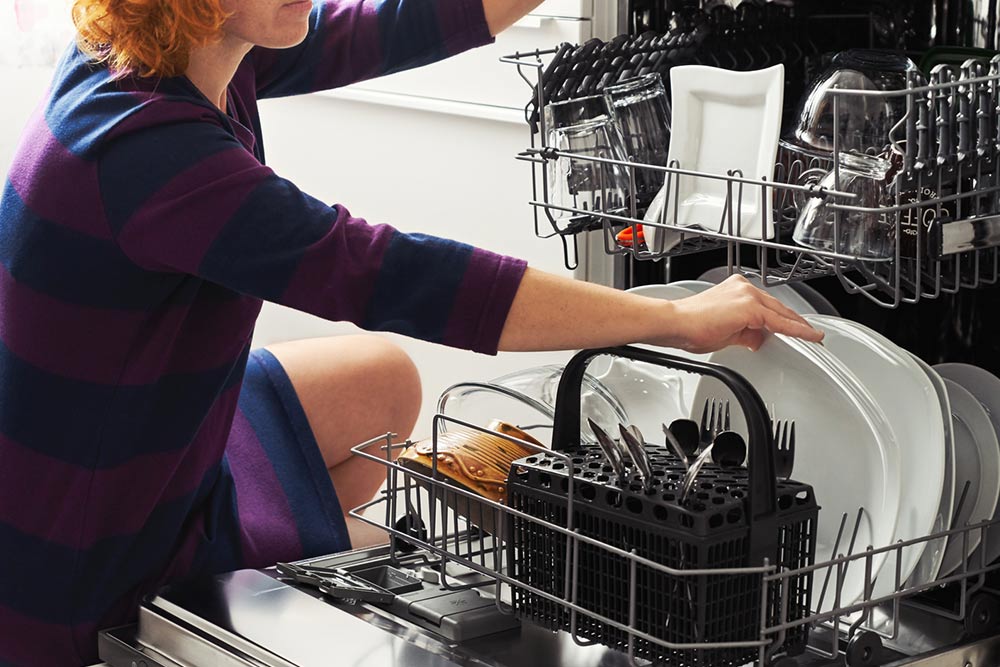
Dishwashers are way more useful for kitchen hygiene and functionality than what many people give them credit for. These devices bring some much-needed efficiency into daily chores. However, not everyone who possesses a dishwasher may necessarily know how to use it correctly. People often make some common mistakes while using these appliances. These mistakes can affect the functionality of dishwashers and make their output worse than it could be. Here are 5 such mistakes one must avoid.
Not pre-rinsing equally
Pre-rinsing dishes before loading them into a dishwasher is a common phenomenon. People believe that rinsing the dishes slightly before putting them into the dishwasher makes its work easier. However, multiple dishwashers today come with a sensor to determine the level of soiling in the load. If certain dishes are soiled while others are not, the sensor may direct the dishwasher to cleanse the utensils and dishes using less water and power, potentially leaving some plates unclean.
Therefore, it is recommended to either pre-rinse all dishes equally or avoid pre-rinsing the dishes at all. This will ensure that all the utensils are washed equally.
Not using the right detergent
Different cleaning products are effective on different cleaning surfaces. For example, a specific detergent may work well on plastic, ceramics, or stainless steel, while others may work better on glass or iron-built utensils. Essentially, each kind of detergent will have its own strengths and weaknesses. Also, certain products may be abrasive for specific surfaces. For instance, a given detergent may cause corrosion on the surface of steel plates and glasses, but the same product may work wonders on plastic cutlery and utensils. Identifying and using the right detergent for utensils is a good way to avoid this mistake.
Not cleaning the filters
Dishwasher filters invariably get clogged by debris, filth, and dirt generated from the plates and other utensils that dishwashers cleanse regularly. If these filters are left unclean, the dirt tends to flow back into the dishwasher and soil the cleaned utensils. So, if filters are not cleaned or changed periodically, the overall functionality of a dishwasher is negatively affected, and users will need to physically clean the utensils drawn out of the machine. To avoid this double work, people must clean their dishwasher filters regularly.
Blocking the water outlet
In order to clean the utensils efficiently, water needs to flow smoothly into and out of dishwashers. However, a blocked water outlet prevents this from happening. The water outlet of a dishwasher eases out the filthy water after the machine has cleansed the utensils. So, if there are any stuck particles or debris in the water outlet of a dishwasher, users need to clean it to resolve this issue.
Stacking the cutlery the wrong way
It is important to place the cutlery correctly when loading the dishwasher. If placed in the wrong way, the dishwasher may not be able to clean the cutlery and utensils uniformly. Therefore, one must refer to the instructions manual and place the cutlery exactly the way it is shown in the manual.