4 tips for choosing the right water bottle
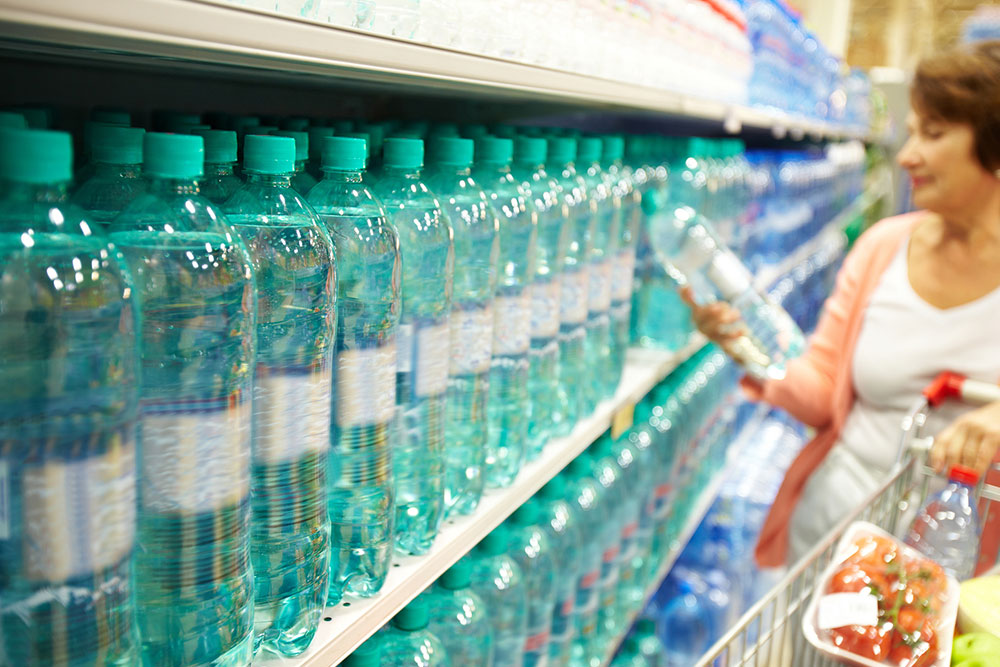
Water bottles are one of those essential products that continue to be used by people of all ages. Today, one can find a wide variety of types and designs of water bottles that cater to diverse needs. But, when choosing a bottle, one may overlook certain must-have features and instead opt for trendy options that don’t meet all requirements. To make an informed decision, here are a few tips for choosing the right water bottle:
1. Consider the usage
The first thing to consider before purchasing a water bottle is individual usage. So, one needs to know if they are buying a bottle for their home, carrying it to work, or for traveling. Based on this, one can choose the right size and material for the water bottle. For instance, glass is a great, relatively safe material for storing water, but glass bottles work best for home as they can break with rough use. For portability, one should consider plastic, stainless steel, and silicone bottles, as they are sturdier options.
2. Prioritize health and safety
Plastic is commonly used for single-use and reusable water bottles, as it is a lightweight, versatile, and affordable material. However, when choosing plastic bottles, one must make sure they pick BPA-free variants. BPA (Bisphenol-A) is a chemical usually found in plastics, which is known to leach into food and drinks stored in plastic containers. So, plastic bottles could mean one ends up ingesting high amounts of this chemical, which has been linked to health issues such as heart disease, type-2 diabetes, and cancer. So, to avoid BPA, one must check the product label for a BPA-free tag. Additionally, a reusable bottle with a built-in filter can get rid of disease-causing contaminants found in water. The filter, which usually has activated carbon, can also minimize the taste and odor of chlorine found in treated water. So, one should invest in BPA-free water bottles with filters. However, one should change the filter regularly to keep their drinking water free from impurities.
3. Consider insulation
If one is purchasing a water bottle for outdoor usage, say, while traveling, one must consider insulation. An insulated water bottle has a double-wall construction that maintains the original water temperature for hours. This is especially useful when one is traveling in extreme weather conditions.
4. Inspect the lid and locking mechanism
Water bottles come with various types of lids and locking mechanisms. Some of the most common options include a simple screw-top lid, flip lid, and spout-type lid. Before purchasing a bottle, one must check the lid to choose the most easy-to-use design or one that they like the most. Secondly, one must also check if the water bottle lid is leak-proof. To ensure one makes the right choice, they should inspect the bottle thoroughly before making a purchase.