4 mistakes to avoid when choosing a dental plan
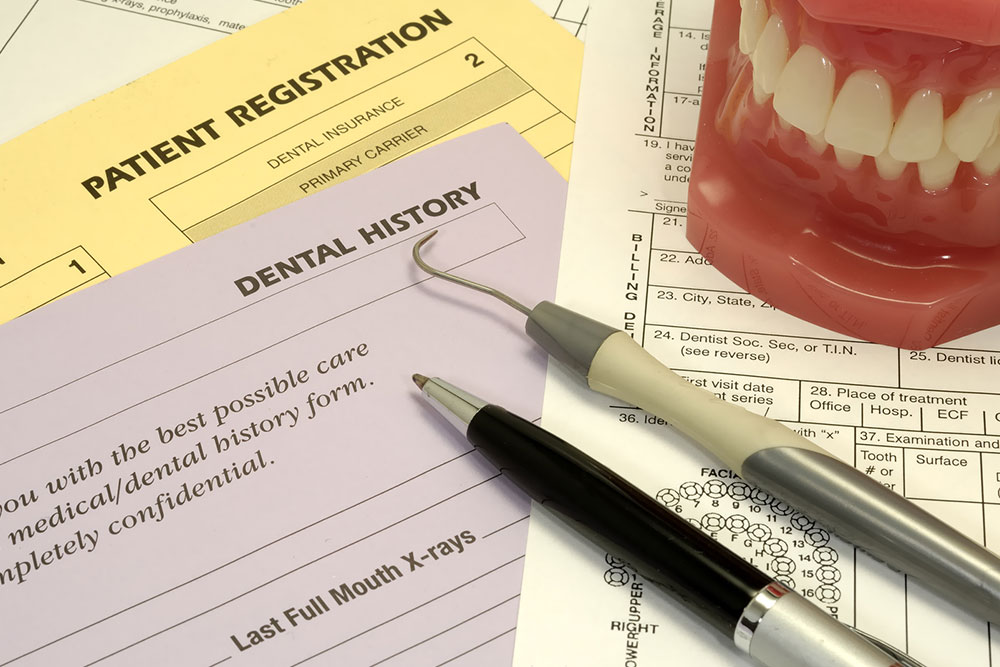
Dental care can be expensive. Whether it is a routine procedure or an emergency, the bills can go higher than expected. A dental plan can be useful in such situations. Since most dental plans cover the cost of nearly every routine care, like fillings, cleanings, and exams, one can save substantially. However, the insurance benefits can make a difference only when one picks the right plan and avoids these mistakes when choosing a dental plan.
Selecting plans with lower rates
Rates do play a crucial role when choosing a dental plan. But it is equally important to check what all is covered at that rate. A dental plan with a low premium rate may cost relatively less in terms of how much one ends up paying to buy the coverage. But, the coverage may not include complex dental procedures such as braces, implants, and bridges, which are often quite expensive. So, one may end up footing the bill out-of-pocket. Moreover, despite the low rate, the dental plan may not be of much use. So, avoid the mistake of only looking into plans that have low premiums.
Not knowing how dental plan discounts are calculated
Many dental insurance providers often show a dental discount rate in their plans. This discount is generally the percentage of savings, which is below the average cost of dental procedures in a specific geographical location. Or the discount may be calculated based on what 80% of dentists in a location charge. The discount calculator will vary across insurance providers as well as geographical locations. So, instead of taking a discount rate at face value, ensure having a thorough understanding of how the discount will be calculated while filing claims.
Only looking into the size of the network
A dental network comprises dentists who are under contract with the insurer to offer discounted costs for their services. Different insurance providers can have different types of networks. Some of these will give better discounts than others. In most cases, an insurer that has a Preferred Provider Organization (PPO) network will provide the best discounts. However, some insurers may have a more extensive network of dentists beyond the PPO. Yet, the discounts may not be as significant as the ones offered by those in the PPO network. Therefore, do not always rely on the size of the insurance provider’s network. Whether the network is small or big, ask the insurer how they are going to lower the cost of dental care so that one can have bigger savings.
Not looking for additional benefits
Many people often make the mistake of looking at only the basic offerings of a dental plan. They forget whether any extra perks or benefits are being offered. These additional benefits can often save a lot of money while helping one maintain better dental health. Make sure to ask for all the details of the additional services and whether the dental plan will cover the cost of these services.