4 common mistakes to avoid while using ovens
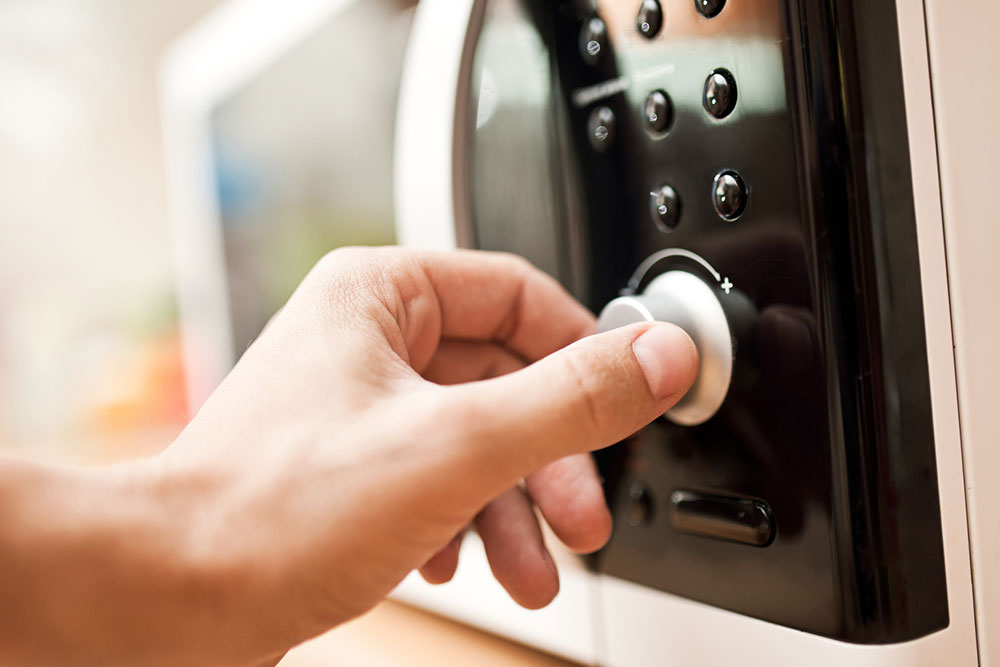
Ovens are the most commonly used kitchen appliances. Yet, many people do not use them correctly. As a result, many individuals may notice their ovens not working well after some time or suffering some kind of damage. Some common mistakes that individuals make with their ovens can even increase the risk of causing a fire. To prevent such mishaps, it is important to avoid common mistakes people make when using an oven.
Opening the oven door while cooking
One of the most common mistakes many people make when using the oven is opening the door repeatedly while cooking. People often do this to check if their food is baking properly and to ensure it does not get burnt. While this may seem harmless, it can significantly impact the oven’s efficiency. This is because every time one opens the oven door while cooking, a lot of hot air escapes, causing the oven to lose heat. As a result, the oven has to work harder to maintain the proper cooking temperature again, which extends the cooking time.
Only using the self-clean feature
Since most ovens have a self-clean feature, many individuals rely too heavily on it to keep their ovens clean. While using this feature once or twice a year is fine, using it more frequently than that is not recommended. This is because when using this feature, an oven needs to raise its temperature to over 600 degrees. This puts a lot of strain on the appliance. Plus, if there is a lot of food residue in the oven, using the self-cleaning feature can increase the risk of a fire. So, it is generally safer to stick to manual cleaning to ensure that all the food residue has been removed from the oven.
Using the delayed start and bake option too often
Another great feature that a lot of ovens have is the delayed start and bake option. This feature allows one to set a specific time for the oven to start cooking or baking a dish. While using this handy feature occasionally is fine, overusing it is not recommended. This is because using this feature frequently puts a lot of strain on the oven, potentially shortening its lifespan due to the increased workload of reaching and maintaining cooking temperatures for longer periods of time. Additionally, when using this feature, many individuals tend to leave their oven running and unattended for a longer period, which can pose a fire hazard.
Not maintaining the metal racks
Over time, the metal racks of an oven can accumulate rust. This rust can increase the risk of fire due to the high temperatures. To avoid any potential dangers, it is recommended to scrub the rust off the metal racks regularly using the appropriate cleaning products.