4 common mistakes to avoid when renovating a basement
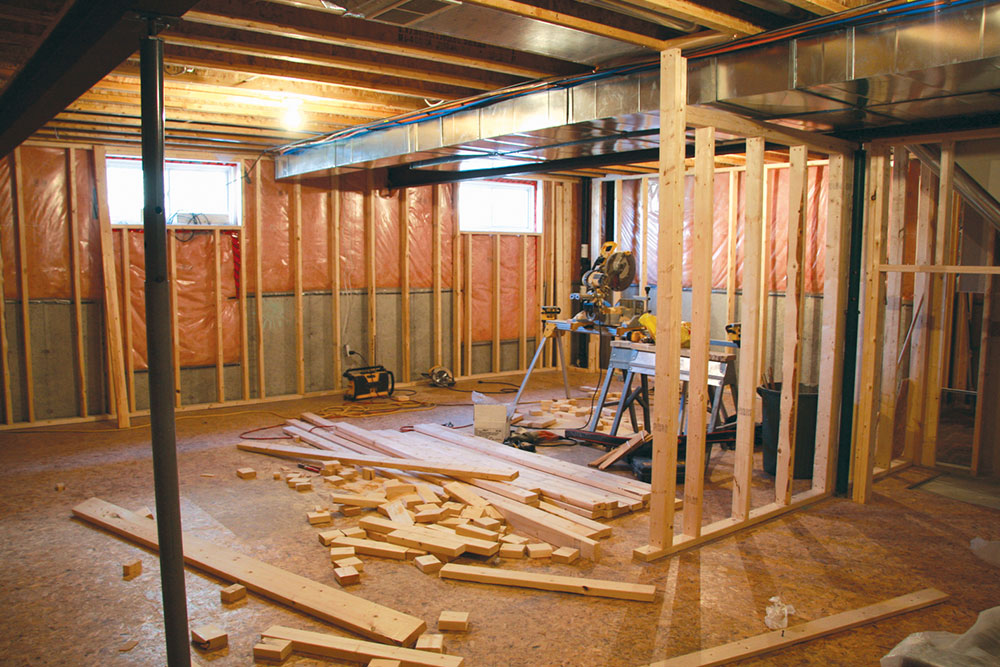
A basement represents the hidden underbelly of a house, which is why homeowners may overlook this space’s aesthetics and feel. Nevertheless, the list of utilities a basement provides is almost endless. In short, basements might be as central to one’s home as living rooms. Individuals must scrutinize every nook and corner while renovating their basements. Here are some common basement renovation mistakes and oversights to avoid for best results:
Not keeping water emergencies in mind
A grave mistake people make while redoing their basements is ignoring the prospect of flooding. Water emergencies such as flooding and sewer back-up can ravage the basement, storage items, flooring, and other house elements. As basements are the lowest level inside one’s home, any kind of water inflows will reach there first.
To avoid issues, homeowners must focus on getting the drainage and plumbing systems sorted and ready for use before moving on to other renovation work. Most importantly, adequate drain access should be from the basement to the house’s outdoor portion. People can cover the drainage pipes running through the floor with tiles or furniture.
One must be careful while digging, installing basement flooring, and adjusting, as one wrong move can cause damage to the drainage pipes.
Using wooden flooring
Basements are more humid than the rest of one’s house. Humidity causes damage to wood, which is why having wooden flooring in the basement is a bad idea. One must instead use 100% waterproof and inorganic materials in their basement while renovating to get the best long-term value out of their renovation investment. Ideally, the humidity level in a basement must never cross 55% to keep things ticking along normally.
Practising DIY without having the skillset
Unlike fixing certain electronics, painting walls, or building DIY furniture sets, basement renovation requires genuine expertise for a positive outcome. One can handle certain aspects of the project, like laying floors, painting, or installing cabinetry, but for other meticulous tasks, hiring a credible and experienced contractor is a must for basement renovation.
A professional, such as a plumber or a window replacer, do their work efficiently and pragmatically to get the most desired outcome from the renovation process.
Not acquiring the necessary permits
All cities nationwide need the requisite permits to go through basement renovation. Not getting a permit for this purpose is dangerous and illegal. Permits bring a legal and official angle into basement renovations. They ensure that the job is completed as per the official code. Most importantly, permits guarantee that all parties involved in the renovation process are protected from potential hazards.
Furthermore, avoiding insulation and soundproofing and not cleaning the basement thoroughly before the renovation process kicks off are also major basement renovation mistakes to avoid.