3 common mistakes to avoid for healthy weight management
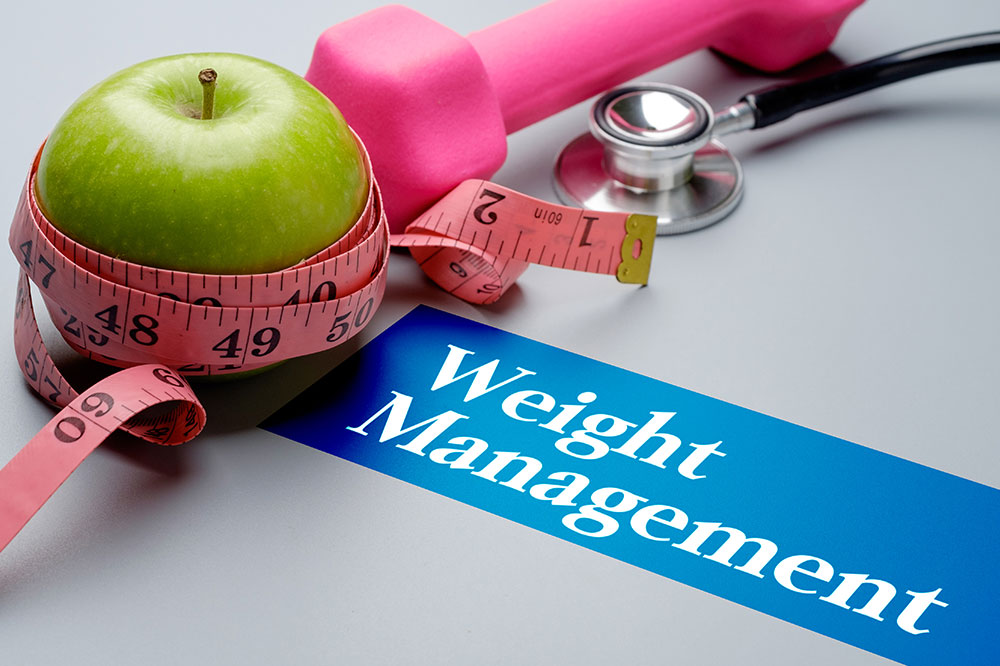
The first thought most people have when trying to chalk up a plan for their weight management journey is consuming fewer calories. A close second is to get in some exercise into their routine. Fewer calories, more exercise, perfect plan! But as perfect as that sounds, it’s not all that simple. Just like everything else, weight management comes with a dos and don’ts list.
While we would all like to think we’re smart enough to plot and plan our weight management journey without any mistakes, it’s surprising how many of us make common mistakes. Read on to know about three mistakes you should definitely avoid the next time you hop on the train to weight loss.
Weight is just a number
Weighing oneself on a regular basis might seem like the right way to go, but is it? Regular weight checks are bound to make you feel frustrated, as weight loss is a slow process and might not always go the way you want it to. Plus, there are multiple factors that could affect the daily changes you expect to see on the scale, like muscle gain or menses.
Instead of standing on the scale looking down on your decisions every day, try weighing yourself once every week. You can also add in tape measures to your routine to really know your progress.
Restricting and skipping meals
A new fad diet pops out every now and then on the Internet—the modern-day encyclopedia—these days. Different diets have varying requirements, while some ask you to give up fats, some cut out carbs, and so on. A few diets even require you to bulk up on protein or healthy fats, like they are depleting sources of life. But here’s the thing, fad diets are just that—a fad.
The sensible approach to weight management is to manage your diet the right way, and include the right amount of macro and micronutrients without compromising on your vegetable and fruit intake. It is essential to choose healthy sources, but treat yourself to some of your guilty pleasures to avoid a binging episode when you succumb to your cravings.
Overdoing the right things
When we decide to put our running shoes on, we tend to go the extra mile way too often. The extra mile might just be the cause of damage. Too much of anything is not good, and that’s something we all need to learn. Cardio exercise might seem easier to follow than strength training, but going overboard with cardio won’t get you the results you’re looking for. Likewise, overeating healthy food is not building your health.
Strength training helps build muscle mass and improves the body’s metabolic activity. So, include a variety of physical activity in your weight management plan to get the kind of results you want. Instead of going all in on those healthy munchies at once, plan your meals and focus on the portion sizes to stay on track. Keep in mind that irrespective of the sources, calories are still calories.