11 superfoods that help relieve menstrual cramps
Period pain and cramps affect people differently. During menstruation, the uterine muscle contracts to shed tissues. The body briefly cuts off the oxygen supply to the uterus during the contraction, which releases pain-inducing hormones. For many women, the pain is severe enough to interrupt their daily routine. Adding certain foods to one’s nutrition regime can help reduce discomfort and provide relief from cramps. Here are some anti-inflammatory and nutrient-rich superfoods to ease menstrual cramps.
Bananas
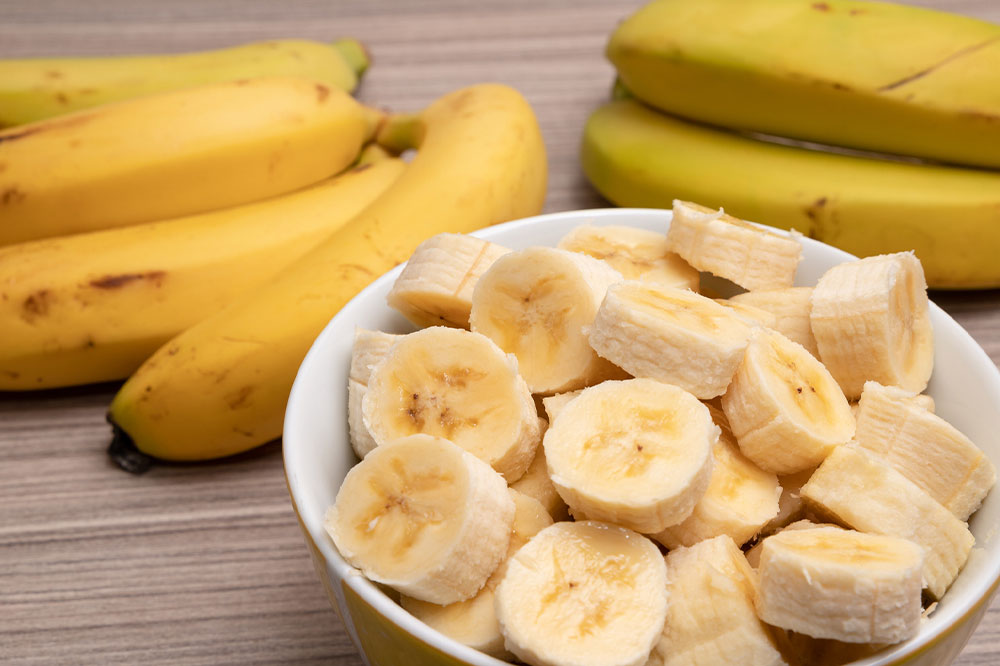
Bananas are packed with vitamin B6, potassium, fiber, and magnesium, which are some necessary nutrients that the body needs, especially during menstruation. Bananas are easy to digest and they help regulate bowel movements. This, in turn, may ease some common symptoms of menstruation like bloating and cramps. One can prepare a banana smoothie and add chunks of pineapple to add flavor to the drink. Pineapple contains an enzyme called bromelain, which helps in reducing inflammation.
Oranges
Oranges have a high water content that can help one stay hydrated. They are also a rich source of vitamin C and antioxidants, which can help reduce menstrual cramps.
Avocado
Packed with magnesium, potassium, and anti-inflammatory fats, avocados are menstruation superfoods that help ease cramps and maintain energy levels.
Salmon
Fish like salmon contain essential nutrients like iron, omega-3 fatty acids, and protein, which help reduce menstrual discomfort and enhance mood. Salmon is also a rich source of vitamin D, which helps in absorbing calcium in the body.
Yogurt
Studies have shown that yogurt that is rich in probiotics can protect the body against vaginal infections during periods. Yogurt and other dairy products like milk and cheese are also rich in calcium, which eases PMS symptoms like exhaustion and mood swings. Those who are lactose-intolerant can opt for non-dairy calcium-rich foods like broccoli, kale, Brussels sprouts, and mustard greens.
Eggs
Loaded with nutrients that can boost one’s energy, eggs can keep one feeling full for a long time while reducing menstrual discomfort.
Ginger tea
Ginger is a soothing plant root that helps reduce inflammation and boost one’s mood. Ginger-induced warm water can not only help ease muscular and period cramps but also reduce other symptoms of menstruation like nausea, bloating, gas, and vomiting. Adding anti-inflammatory fennel seeds to the mixture can also help relieve pain.
Chamomile tea
Chamomile tea has antispasmodic properties that reduce muscle spasms and calm the nervous system. Caffeine causes inflammation and bloating. So, substituting a morning cup of coffee with caffeine-free hot chamomile tea is beneficial.
Dark chocolate
Dark unsweetened chocolate with a cocoa level of 85 percent or higher is one of the best superfoods to ease menstrual cramps. Dark chocolate also contains essential nutrients like iron, fiber, antioxidants, zinc, potassium, and magnesium.
Turmeric milk
Turmeric is anti-inflammatory and antispasmodic, which increases blood flow in the pelvic area. Mixing a spoonful of turmeric powder in warm milk can help ease PMS symptoms and regulate menstruation.
Water-rich foods
Staying hydrated reduces water retention in the body and eases bloating and period discomfort. Apart from drinking water, one can also have water-rich superfoods like melons, cucumbers, and berries or warm beverages induced with herbs to ease menstrual cramps.
Experiencing heavy bleeding during periods can be a sign of menorrhagia. Common symptoms include painful cramps, quarter-sized blood clots, periods that last longer than seven days, fatigue, shortness of breath, bleeding between periods, or bleeding after menopause. Women experiencing this condition may also have to change their pads/tampons every hour or wear double pads to manage their flow. If this impacts one’s daily life, it may be time to visit a doctor and discuss possible treatment options.