10 things to avoid when wearing contacts
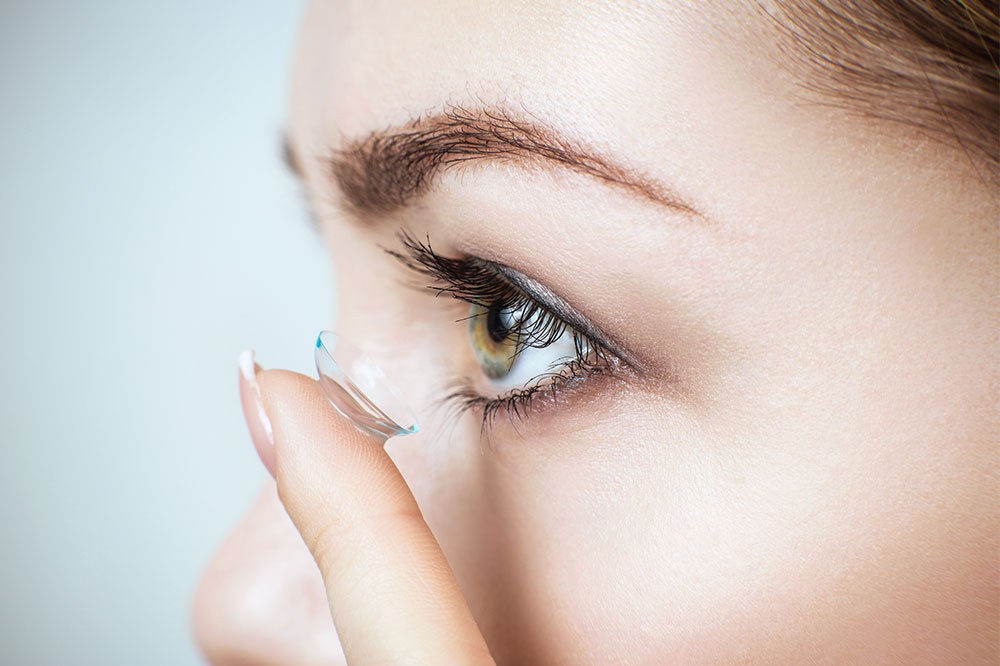
Contact lens usage is commonplace today as one in every ten individuals is a contact lens user, and for a good reason. Contact lenses provide comfort, convenience, and freedom of visual clarity that even the most fabulous pair of glasses cannot offer. Living with a pair of contacts is the easiest thing in the world. And yet, one has to be constantly careful about certain specifics to avoid lens-related issues. Some strict no-nos regarding lens usage are:
Touching contacts with unclean hands
One can pick up germs and bacteria by touching surfaces such as bathroom doors, computer keyboards, and several others. After touching such surfaces, if one touches their contact lenses too, then the dirt simply gets transferred and causes nasty eye infections. Unsurprisingly then, this is one of the main things to avoid when wearing contacts.
Putting contacts on before one’s morning routine
Yet another seemingly harmless thing that falls under the things to avoid when wearing contacts is putting on lenses before starting one’s morning routine activities such as showering, rinsing the face, or using the restroom. By doing so, one simply exposes their lenses to tap water, hairspray, and other substances that may damage them.
Getting into water with the lenses on
Swimming pools, lakes, and ponds are full of algae, unsavory herbs, and bacteria of all kinds. So, if a person dips into a swimming pool whilst wearing their contact lenses, these undesirable elements may stick onto their contacts and cause eye infections later.
Napping with the lenses on
Sleeping with contact lenses on can cause dry eyes, and, in the long term, damaged eyes. This is why healthcare and ophthalmic experts advise lens users to take off their contacts before hitting the bed.
Wearing ripped contact lenses
A ripped lens can get terribly uncomfortable to wear after a while. More importantly, torn lenses end up scratching the user’s cornea and damaging their eyes. Therefore, using ripped, or even slightly-damaged lens falls in the list of things to avoid when wearing contacts.
Rubbing eyes while the lens are on
Just like the previous point, rubbing the eyes when the contact lens is on can damage the lenses, and, by extension, the cornea and vision of its wearer in the long term.
Using the same lens case for long
Bacteria and fungi gradually build up in the storage solution in a lens case. Therefore, one must keep changing their lens cases periodically.
Placing contacts in damp, dark environments
A damp, dark environment allows bacteria and fungi to fester and grow. So, one must keep their contacts away from such zones and in airy, dry, and light-heavy places.
Putting contacts in the mouth
A person’s mouth is usually a cesspool of bacteria. So, putting one’s lenses in the mouth makes the contacts filthy and unusable.
Putting on someone else’s lenses
Every lens is custom-made for its wearer. If one wears someone else’s lenses, then they may damage their eyes due to the lenses not fitting properly and causing unwanted wear and tear on their cornea and iris.