10 foods that can help reduce dark circles
Dark circles under the eyes can be a bothersome concern. They are often attributed to various factors, including genetics, lack of sleep, stress, and poor nutrition. While concealer can offer a temporary fix, addressing the issue at its root is essential for long-lasting results. Incorporating specific foods into one’s routine can be an effective and natural way to diminish dark circles. This is, of course, in combination with a dermatologist-approved skincare routine.
Here are a few foods that can help reduce dark circles:
1. Almonds
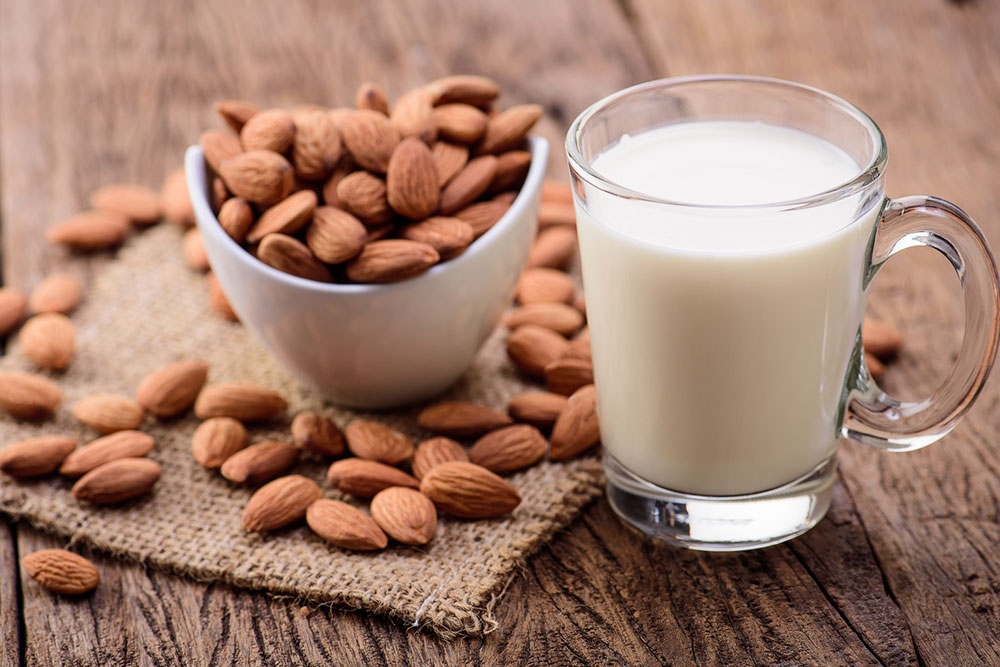
Almonds are a powerhouse of nutrients, including vitamin E, which is known for its skin-nourishing properties. This vitamin helps protect the delicate skin around the eyes from oxidative damage, reducing the appearance of dark circles. Additionally, almonds are a good source of fiber, healthy fats, and protein, contributing to overall skin health.
2. Avocado
Avocado is a treasure trove of nutrients, including vitamin K, which plays a pivotal role in blood clotting and circulation. By promoting healthy blood flow, avocado helps prevent blood from pooling beneath the eyes, a common cause of dark circles. Moreover, the natural oils in avocados provide deep hydration to the skin, contributing to a more youthful and refreshed appearance.
3. Blueberries
Blueberries are a rich source of antioxidants, particularly vitamin C, which strengthens blood vessels and aids in proper blood circulation. It reduces the likelihood of blood pooling beneath the eyes, a common cause of dark circles. Including blueberries can lead to improved skin health and a more radiant complexion.
4. Cucumber
Cucumbers are a classic remedy for soothing tired eyes. Their high water content hydrates the skin and reduces puffiness around the eyes, which can exacerbate the appearance of dark circles. Cucumbers also contain antioxidants, which have anti-inflammatory properties.
5. Papaya
Papaya is a tropical fruit packed with vitamins A, C, and E and an enzyme called papain. These elements work synergistically to promote skin health. Vitamin C aids collagen production, which is essential for maintaining skin elasticity. Vitamin A supports the regeneration of skin cells, while vitamin E provides antioxidant protection. Papain helps exfoliate dead skin cells, revealing a brighter complexion.
6. Salmon
Salmon is a fantastic source of omega-3 fatty acids, renowned for their anti-inflammatory properties. These fatty acids help reduce puffiness and inflammation around the eyes, making salmon an excellent choice for diminishing the appearance of dark circles.
7. Spinach
Rich in iron, spinach is vital in combating dark circles caused by iron deficiency anemia. Iron plays a crucial role in maintaining healthy blood circulation and preventing the pooling of blood beneath the eyes that leads to dark circles.
8. Sweet potatoes
Sweet potatoes are abundant in beta-carotene, a precursor of vitamin A. This nutrient is essential for skin health, promoting cell turnover and reducing dryness. By incorporating sweet potatoes, individuals can support a smoother complexion and diminish the appearance of dark circles.
9. Tomatoes
Tomatoes are a rich source of lycopene, a powerful antioxidant known for its skin-beneficial properties. Lycopene helps shield the skin from UV damage, a common factor in developing dark circles. Additionally, tomatoes contain vitamin C, which aids collagen production, promoting firmer and brighter skin.
10. Turmeric
Turmeric is renowned for its anti-inflammatory and antioxidant properties, attributed to its active compound, curcumin. These properties can help alleviate puffiness and discoloration around the eyes. When used regularly, turmeric contributes to a more even skin tone, reducing the prominence of dark circles.