10 common mistakes to avoid while doing household chores
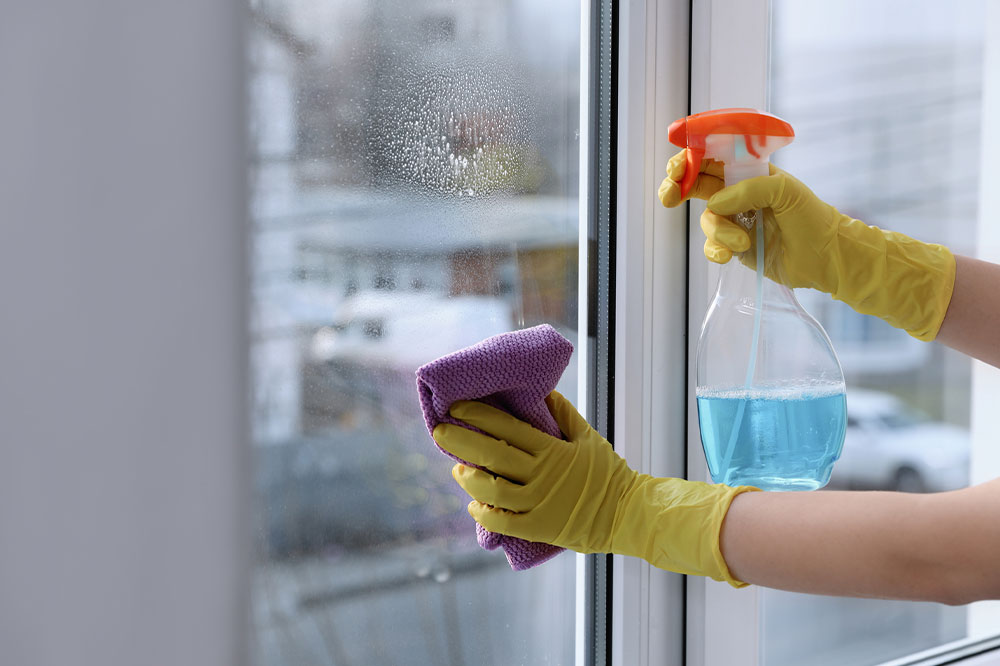
Maintaining a clean and organized home is an ongoing task that requires regular attention to household chores. However, many people make common mistakes that can hinder one’s efforts, lead to subpar results, and make the process more time-consuming and less efficient. Here are some common mistakes people make when doing household chores and practical tips to avoid them. Learning from these missteps can enhance one’s cleaning routine and achieve a cleaner and more organized home.
Overlooking regular maintenance
Postponing simple tasks like cleaning filters, unclogging drains, or changing light bulbs can result in costly repairs or replacements. So one should create a regular maintenance schedule and stick to it to keep one’s home in good condition.
Multitasking
Multitasking may seem efficient, but trying to do too many tasks at once can lead to subpar results, overlooking important details, or getting distracted. It’s best to focus on one task at a time and give it full attention for better results.
Not using proper cleaning supplies
One is advised to invest in quality cleaning tools such as microfiber cloths, mop heads, and vacuum attachments suitable for different surfaces and to have an adequate supply of cleaning products. This will make cleaning more efficient and help maintain the longevity of one’s household items.
Ignoring safety precautions
Ignoring safety precautions and taking shortcuts like using unstable stools or ladders to reach high areas can lead to accidents and injuries. Taking simple precautions will protect one’s well-being and prevent unnecessary mishaps.
Lack of delegation
Trying to handle all household chores single-handedly can be overwhelming and time-consuming. One should consider delegating tasks or involving other family members in age-appropriate tasks to lighten the load and foster a sense of shared ownership.
Cleaning wooden cutting boards in the dishwasher
Prolonged exposure to heat and moisture can affect the wood, compromising its quality and longevity. So one is advised not to put them in the dishwasher. Instead, hand-wash wooden cutting boards with mild detergent and warm water, and let them air dry completely.
Using harsh products unnecessarily
Using harsh cleaning products on delicate surfaces can lead to damage or discoloration and pose a risk to one’s health. One can instead try gentler alternatives or eco-friendly cleaning solutions.
Not replacing sponges
Sponges can breed bacteria, so using old, worn-out sponges can spread germs. One is advised to replace sponges regularly, ideally every two to four weeks or when they start to show signs of wear and tear. One should also rinse and sanitize sponges after each use.
Using the same cleaning rags for different surfaces
Using the same cleaning rags or towels for different surfaces can spread germs, dirt, and contaminants from one area to another. So it’s important to designate specific cleaning cloths for different tasks or surfaces.
Overlooking drainage
Drainage systems in sinks, showers, and tubs can become clogged over time due to the accumulation of hair, soap scum, and other debris. Neglecting to clean or address drainage issues can lead to unpleasant odors or slow draining.